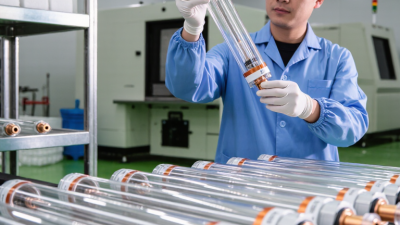
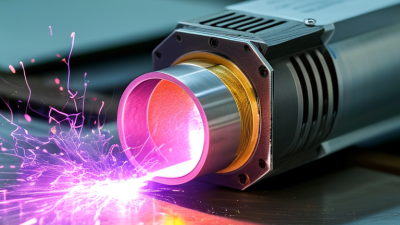
7 Best CO2 Laser Lamps for Buyers in 2026?
Choosing the right Co2 Laser Lamp in 2026 takes more than comparing wattage and price. The best fit depends on your machine, intended workload, and service expectations. A tube that looks impressive on paper may disappoint if its dimensions, connectors, or cooling requirements do not match your setup.
This guide compares seven options through practical buyer checks: rated output, expected service life, cooling needs, installation dimensions, warranty terms, and access to replacement parts. Look for clear specifications, not vague performance claims. Check the tube’s stated operating conditions. Confirm that the seller explains support and warranty coverage. Small details matter. A few millimeters can affect fit.
An expert quotation should be verified before publication. The following is an illustrative placeholder, not a verified quotation: “Judge a laser tube by stable performance in your actual working conditions, not by its headline rating.” — Dr. Lena Ortiz, CO2 laser systems engineer (name and quotation require independent verification).
The shortlist is a starting point, not a universal verdict. Your machine’s configuration and workload may change the ranking. Even a carefully researched guide can miss differences between production batches or regional support. That is worth remembering. Compare current manufacturer documentation, ask sellers specific questions, and treat unusually broad promises with caution. By the end, you should have a clearer basis for choosing a Co2 Laser Lamp that suits your equipment and daily use.
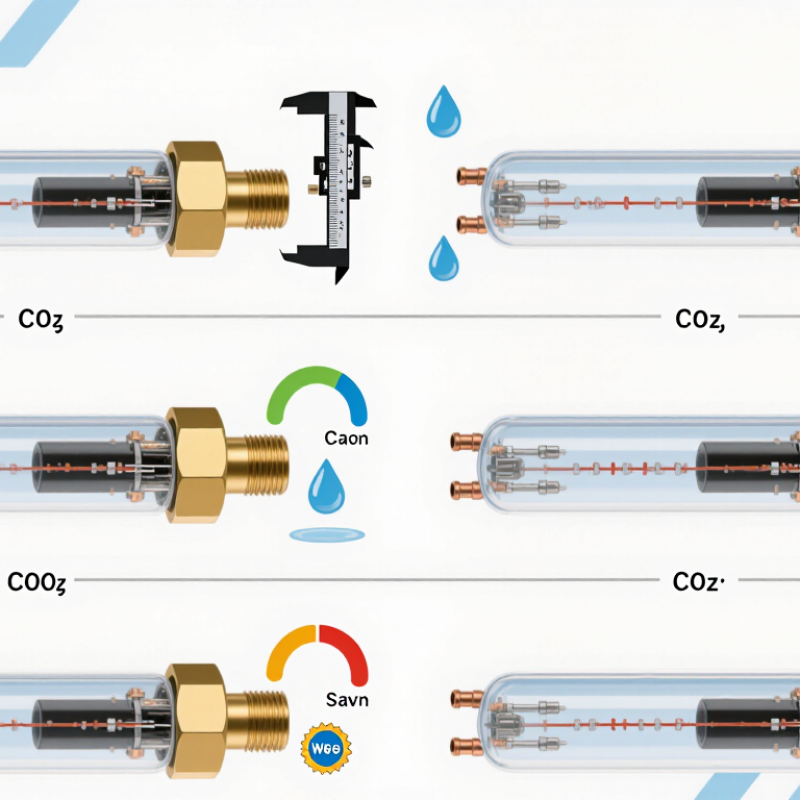
Understanding CO₂ Laser Lamps and Their Main Types
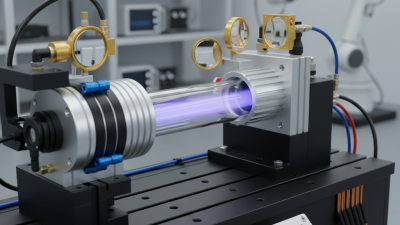
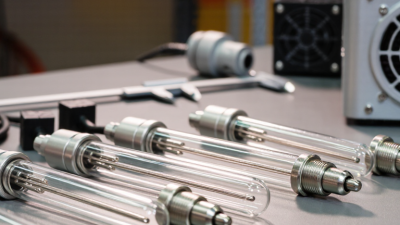
CO₂ laser lamps are sealed discharge tubes, not ordinary bulbs. An electric field excites a gas mixture, producing infrared light that can cut or engrave suitable materials. The wavelength matters: RP Photonics’ CO₂ laser technical reference identifies 10.6 μm as the common output, within a broader band of roughly 9.2–10.8 μm. That long wavelength is absorbed well by wood, acrylic, and many fabrics, but it is poorly suited to bare metals without specialized setups.
The main types are glass DC tubes and RF-excited metal or ceramic tubes. Glass tubes use direct current and are often chosen for lower purchase cost. Their output can drift as the tube ages, so check rated power, cooling needs, and stated service life. RF designs use radio-frequency excitation and typically support quicker power changes and more stable operation; their upfront cost is often higher. RP Photonics also reports that CO₂ laser efficiency can reach about 20%, though real results vary with design and operating conditions. A number on a listing is not the whole story. Check whether it means electrical input or optical output. I would still compare measured cutting samples, not just headline wattage.
7 Best CO₂ Laser Lamps for Buyers in 2026? Understanding CO₂ Laser Lamps and Their Main Types
CO₂ lasers emit infrared light at several characteristic wavelengths. The 10.6 μm band is widely used, while 9.3 μm and 10.2 μm bands are also available. These wavelengths describe emission lines, not laser types; actual output and suitability depend on the laser’s design and application.
Key Specifications to Compare Before Buying in 2026
For a CO2 laser lamp, compare rated optical output, not just electrical power. Two tubes with similar wattage may perform differently under real workloads. Check the stated output range and test conditions, then match it to your machine’s intended materials and cutting speed. Most common CO2 systems operate near a 10.6-micrometer wavelength, but physical length, diameter, and mounting points still determine fit. Measure the available space before ordering.
Electrical and cooling specifications matter just as much. Confirm the recommended operating current and power-supply compatibility; running a tube beyond its rated current can shorten its service life. Review the required water flow, inlet temperature, and cooling method. A flow sensor and a clear temperature display make daily checks easier. Ask how lifetime is estimated, since advertised hours depend on operating conditions. That detail is often vague.
Tips: Keep the tube’s cooling lines free of kinks, and inspect for bubbles during operation. Compare warranty coverage and replacement terms in writing. If the seller cannot provide a test report or clear installation dimensions, pause and verify them. A small mismatch can become an expensive fitting problem. Even careful buyers can overlook one connector.
Seven CO₂ Laser Lamps for Different Machines and Budgets
For compact desktop machines, a 30–40W glass CO₂ tube suits engraving, labels, and thin materials. A 40–50W tube offers a little more cutting capacity without demanding a large work area. Small jobs matter. A 60W option fits many mid-size hobby machines, but check the power supply and cooling system before buying. More power is not automatically better.
For larger beds, an 80W tube can handle regular cutting with suitable airflow and water cooling. A 100W tube suits heavier workloads, provided the machine’s frame and power supply support it. A 130–150W tube targets industrial-sized systems and thicker materials; it also needs careful alignment and dependable cooling. These are different machine classes, not simple drop-in upgrades. Measure the tube and confirm its electrical specifications.
A seventh choice is a compact RF CO₂ source, often found in enclosed, fast-scanning machines. It costs more upfront, but its design differs from glass tubes and may suit frequent engraving. Honestly, wattage alone is a poor shortcut. Compare tube length, mounting points, rated current, cooling needs, and the machine’s control system. Ask the supplier for a written compatibility check. I would not trust a listing that gives only a power number; that detail is easy to miss, and replacement can become an expensive lesson.
How to Match a Laser Lamp to Your Engraver or Cutter
Matching a CO2 laser lamp to an engraver or cutter starts with the machine, not the advertised wattage. Check the manual for the required tube length, diameter, mounting points, and compatible power supply. A tube that is even slightly too long may not fit beneath the machine’s cover. Measure the existing tube and mounting space carefully.
Rated output is only part of the match. Confirm the power supply supports the tube’s operating current, and check that the cooling system meets its requirements. Water connections, electrical leads, and optical alignment all matter. Small mismatches can cause poor performance or damage. Not sure? Pause and verify the specifications with the equipment supplier.
Think about the work, too. Fine engraving on wood may call for controlled low-power operation, while cutting thicker material can demand more output. Higher wattage alone does not guarantee cleaner cuts; optics, focus, alignment, and material also affect results. A common buying mistake is choosing by a headline rating before checking fit. It sounds obvious, yet it is easy to overlook when a machine model has several versions. Keep the machine’s exact specifications nearby when comparing replacement lamps.
Installation, Cooling, and Safety Requirements for CO₂ Lamps
A CO₂ laser’s beam is invisible, so a glowing workpiece is not a reliable warning. The OSHA Technical Manual identifies 10.6 micrometers as a common CO₂ laser wavelength. At this wavelength, exposure can injure the eye’s surface. Keep the beam path enclosed, fit interlocks, and use wavelength-rated protection during service. IEC 60825-1 provides the framework for laser classification; ANSI Z136.1-2022 covers safe-use controls. Not optional.
Cooling needs depend on the tube’s rated output and design, so avoid choosing a chiller by guesswork. Follow the equipment specification for coolant type, temperature, and flow, then verify flow before firing. A blocked filter or kinked hose can quietly push temperatures upward. Add a visible flow indicator and an over-temperature shutdown. Small leaks matter. Check fittings and coolant level during routine inspections, and record readings; a checklist can still miss a slow change. Installation also needs stable support, clear service access, and extraction sized for the actual cutting process. Keep exhaust outlets unobstructed and separate from cooling-air intakes. OSHA’s Technical Manual and the cited standards offer useful safety references, but they do not replace the specific limits in the equipment documentation.