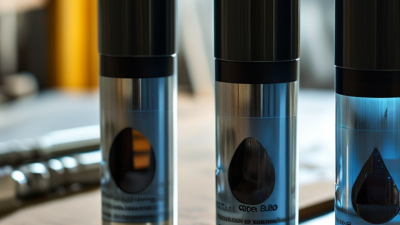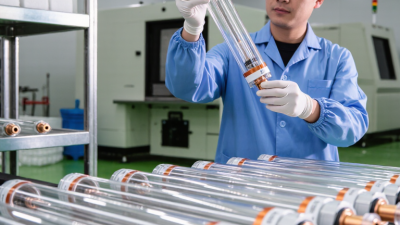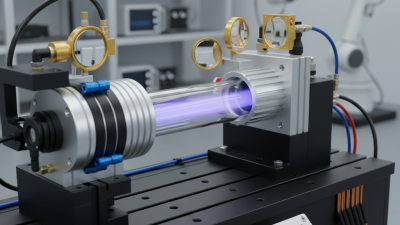
Choosing a Co2 Laser Lamp supplier in China involves more than comparing prices. A lamp can look suitable in a catalog yet fail to match your equipment. Start by confirming the model, rated output, dimensions, electrical requirements, and cooling method. Ask the supplier to identify compatible systems in writing. Clear specifications make comparisons more useful.
Request recent inspection records and ask how each unit is tested before shipment. That matters. A knowledgeable supplier should explain expected performance, handling, and replacement considerations without promising unrealistic service life. For example, ask how the lamp is protected against vibration and moisture during packing. Small details matter. They can affect whether a product arrives ready for installation.
Assess communication and after-sales support alongside product quality. Compare response times, warranty terms, available spare parts, and the process for reporting a defect. Look for consistent answers across technical documents, product labels, and quotations. Before placing a large order, consider testing a sample under your operating conditions, if practical. A polished catalog is not proof of dependable production. Nor is the lowest quote always the best value. Even a careful checklist cannot remove every risk, so verify claims and keep records of key discussions. The right supplier should be transparent about limitations, provide practical documentation, and help you confirm compatibility before purchase.
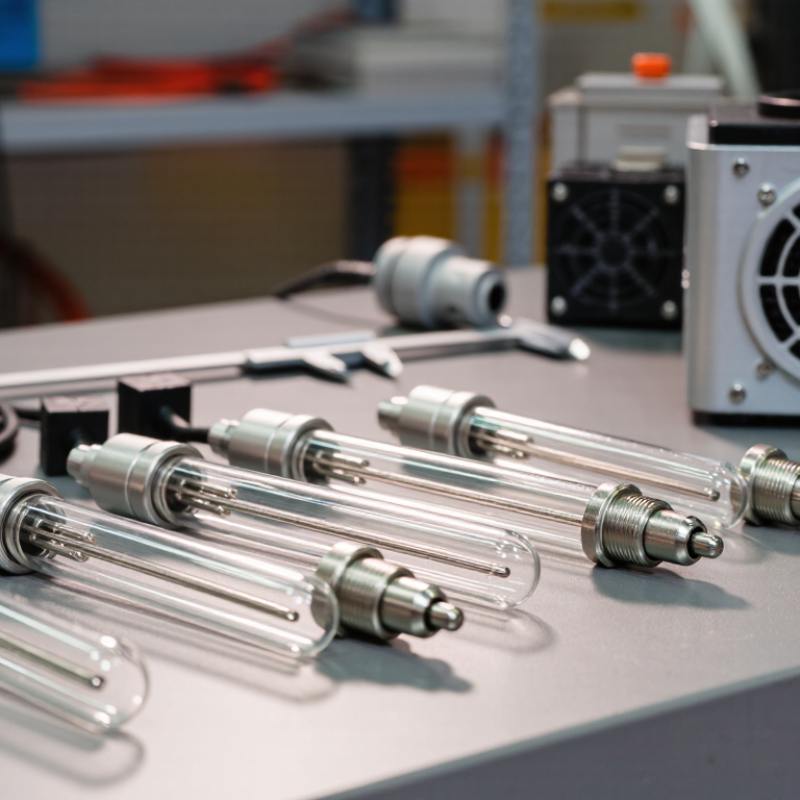
Before contacting a supplier, define the operating conditions the CO2 laser lamp must meet. Record the required wavelength, rated output power, and whether the machine uses continuous-wave or pulsed operation. Check the existing tube’s length, diameter, electrode connections, and mounting points with a ruler or caliper.
Small differences matter. Note the machine’s cooling method and water-flow requirements, too. A tube that fits the frame may still be unsuitable if its cooling connections or electrical specifications do not match.
Describe the actual work, not just the machine model. Cutting thin acrylic may call for different power and duty-cycle requirements than engraving wood. Include typical daily operating hours, the materials processed, and any limits on beam stability or spot size.
Ask for a datasheet showing operating voltage, current, power range, dimensions, and recommended cooling conditions. Request test results for the specific unit, where available, and clarify how output is measured.
I have seen specifications look clear on paper but leave practical questions unanswered. That is worth noticing. If you are unsure about a value, mark it as unverified rather than guessing; a supplier can check it against the machine’s manual and existing components.
Start by checking whether the Chinese supplier is a manufacturer or a trading company. Match its registered business details with the factory address, production equipment, and staff shown during a live video walkthrough. Ask to see the CO2 laser tube assembly area, aging-test racks, and power-measurement instruments. A polished catalog is not proof. Grand View Research’s Laser Technology Market report estimated the broader global laser market at USD 20.3 billion in 2023, with an 8.3% projected annual growth rate from 2024 to 2030. That figure covers many laser types, not CO2 tubes alone, but it signals a competitive supply market where clear verification matters.
Request dated test records for the exact model, including output power, stability, cooling requirements, and expected service life. Ask how the supplier measures each item, and whether a third-party laboratory can repeat the tests. Test the sample. Run it under your own operating conditions and record power drift, water temperature, and starting behavior over several hours. Check that serial numbers link the sample, production batch, and inspection report. ISO 9001 certification can support process consistency, but it does not prove tube performance by itself. Compare quotations carefully; unusually low prices may reflect different test methods or specifications. Still, no checklist catches everything. I would verify one production batch before placing a larger order.
Suggested evaluation weights for comparing suppliers. These are a practical buyer’s scoring framework, not industry survey results.
Verify specifications and test samples against your application, review quality and traceability records, and confirm production and export capabilities before placing an order.
When evaluating a CO2 laser lamp supplier, ask for test data tied to the exact model and production batch. IEC 60825-1:2014 covers laser radiation from 180 nm to 1 mm; a common CO2 laser wavelength, 10.6 μm, falls within that range. This is a useful safety reference, but a component certificate alone does not establish the safety of a complete machine. Check that certificates are current, verifiable with the issuing body, and relevant to the product and facility being supplied. ISO 9001 indicates a quality management system; it does not prove a lamp’s output or lifetime. Numbers need context.
Request measured output power, stability, and beam data, with test conditions clearly stated. ISO 11146 provides methods for measuring laser beam widths and divergence, where those measurements apply. Compare results only when operating current, cooling conditions, and measurement methods match. Ask for serial or batch traceability, inspection records, and the supplier’s process for handling failed units. A report showing one strong sample is not enough. Ask for the raw data. In practice, even careful suppliers may have unit-to-unit variation; that deserves honest discussion, not a polished chart alone. If the supplier cannot explain how each figure was measured, treat the claim cautiously.
| Evaluation Dimension | What to Verify | Evidence to Request | Good Sign |
|---|---|---|---|
| Product specifications | Confirm the tube type, rated output power, nominal wavelength, dimensions, electrical requirements, and compatibility with your laser system. Many industrial CO₂ lasers operate near 10.6 μm, but confirm the wavelength required by your application. | Current technical datasheet and a written specification for the exact model being quoted. | Specifications are complete and consistent across the datasheet, quotation, and product label. |
| Output-power testing | Check how output power is measured and whether the stated rating is continuous or otherwise defined. Results can depend on operating current, cooling, measurement method, and tube condition. | A sample test report showing the model, test conditions, measured output, date, and measuring instrument. | The supplier explains the test method and provides traceable results rather than relying only on an unqualified power claim. |
| Service life and warranty | Ask how the stated service life is defined and which operating conditions apply. CO₂ laser tube life varies with model, use, current, cooling, and maintenance; no single lifetime figure applies to every tube. | Written warranty terms covering duration, exclusions, claims procedure, and any required operating conditions. | Lifetime claims are qualified, and warranty responsibilities and remedies are clearly documented. |
| Quality-control process | Review incoming-material checks, production inspections, final testing, and handling of nonconforming products. | A summary of inspection procedures and a sample final inspection or test record. | The supplier can explain how defects are detected and how corrective actions are recorded. |
| Cooling and operating requirements | Verify the required cooling method, coolant recommendations, flow or temperature limits, and electrical operating range for the specific tube model. | Installation and operating instructions, including cooling and electrical safety requirements. | Instructions provide model-specific limits and clear warnings against operation outside the recommended conditions. |
| Certification and compliance | Identify the regulations that apply to the product and destination market. ISO 9001 relates to an organization’s quality-management system; it is not, by itself, product certification. CE or RoHS documentation should be checked against the applicable product, scope, and market requirements. | Copies of relevant certificates or declarations, the issuing body or responsible party, scope, model coverage, and validity details where applicable. | Documents are current, verifiable, and clearly apply to the quoted product or the relevant manufacturing process. |
| Laser-safety documentation | Determine whether safety requirements apply to the bare tube, the assembled laser system, or both. IEC 60825-1 concerns the safety classification and requirements of laser products; applicability depends on the product configuration and market. | Relevant safety test reports, classification information, or product documentation for the actual item being supplied. | The supplier identifies the scope of any safety claim instead of presenting a standard number without supporting product documentation. |
| Traceability | Check whether individual products or production batches can be identified and linked to inspection records. | Sample labels, serial or batch-number format, and an explanation of how records are retained. | The delivered tube can be matched to its model, batch, and applicable quality records. |
| Packaging and transport | Assess protection against impact, vibration, moisture, and movement during transport. Confirm packaging dimensions and shipping arrangements before ordering. | Packaging photographs or specifications and the proposed shipping method. | The packaging is designed for a fragile glass component and the supplier explains how transit damage is handled. |
| Sample and order terms | Clarify sample availability, minimum order quantity, lead time, payment terms, shipping responsibility, and the process for resolving specification discrepancies. | A written quotation and, where practical, a sample evaluation plan agreed before mass production. | Commercial terms and acceptance criteria are documented before payment or production. |
| Technical support and spare parts | Check support availability for installation, troubleshooting, replacement, and compatibility questions, including response channels and working hours. | Support contact details, troubleshooting instructions, and availability of compatible replacement units or parts. | The supplier provides clear technical guidance and a defined route for after-sales claims. |
Note: Certification and regulatory requirements depend on the product configuration and destination market. Verify applicable requirements with the relevant conformity-assessment body or importing authority before purchase.
Choosing a CO2 laser lamp supplier starts with matching the lamp to your machine, not just its advertised power. Share the tube length, output range, cooling method, mounting details, and duty cycle. Ask whether custom dimensions or electrical connections are available, and request a drawing before production. Small mismatches matter.
Compare quotations line by line. A lower price may exclude packaging, testing, or replacement parts. Ask what is included, how output is measured, and whether each unit receives a documented inspection. Request sample test records and written warranty terms. Get it in writing. To compare fairly, calculate the delivered cost per usable lamp, including freight and expected service life. Treat estimates as estimates, not promises.
Lead time needs equal attention. Separate sample approval, production, inspection, and shipping dates in the supplier’s schedule. Confirm whether the clock starts after payment, specification approval, or another milestone. Ask how delays are communicated and whether rush orders affect testing. A short production window may still be followed by days or weeks in transit. Check recent order references where possible, and keep a buffer. I would not rely on one optimistic date; factories and carriers do not always behave neatly.
A CO2 laser lamp supplier’s support matters after the order is paid. Ask how quickly technical staff answer questions, and whether support continues after installation. Request the warranty period in writing, including coverage for early failure, shipping damage, and labor. Check whether replacement parts are available and how the supplier diagnoses a lamp that will not ignite. A clear process is reassuring. Vague promises are not. Practical details matter: who pays return freight, what evidence is required, and whether troubleshooting is available by email or video call.
Tips: Save the supplier’s support contact and keep the serial number, test results, and packaging photos. Ask for a written estimate of response times.
Review shipping terms as carefully as the lamp specifications. Confirm the dispatch date, transit estimate, carrier, insurance coverage, and delivery responsibilities under the stated Incoterms. Ask how the lamp is protected against vibration and impact; a sturdy outer carton and internal cushioning can reduce avoidable damage. Request tracking details and the commercial documents needed for delivery. Delays can still happen, even with a good supplier, so allow some schedule buffer. One detail buyers sometimes overlook is who handles a damage claim and how soon it must be reported. Get that answer before shipment.