Top 10 CO2 Tube Types for Global Buyers
Global buyers are no longer choosing a Co2 Tube by wattage alone. Cutting speed, beam stability, cooling design, and service access now influence the real purchase cost. A tube may look affordable on a supplier’s quotation, yet frequent alignment problems can quickly erase that advantage.
Grand View Research reported that the global laser technology market reached approximately USD 18.8 billion in 2023. Its 2024–2030 analysis also forecasts continued expansion, supported by manufacturing, signage, electronics, and medical equipment. MarketsandMarkets similarly identifies rising demand for laser cutting systems across Asia-Pacific, Europe, and North America. These figures do not measure Co2 Tube sales directly. They still show the commercial pressure surrounding tube selection.
Experience matters here.
Laser-processing author William M. Steen wrote, “The laser is a tool, not a magic wand.” His warning remains practical for international purchasers. A sealed glass tube, metal tube, fast-flow design, or water-cooled model may suit different workloads. Even two tubes with identical rated power can produce different results. Mirror quality, electrode design, cooling temperature, and operating hours all matter. ISO 11553-1 and IEC 60825-1 also remind buyers to consider equipment safety, not only output power.
This guide compares ten Co2 Tube types through measurable buying criteria. It examines construction, cooling, wavelength performance, replacement difficulty, and likely applications. Some classifications overlap. That is intentional. Suppliers use inconsistent terminology, and buyers should verify specifications before payment. A clear datasheet, traceable test record, warranty statement, and realistic lifetime estimate remain more valuable than impressive marketing language.
What CO2 Tubes Are and How Their Designs Differ
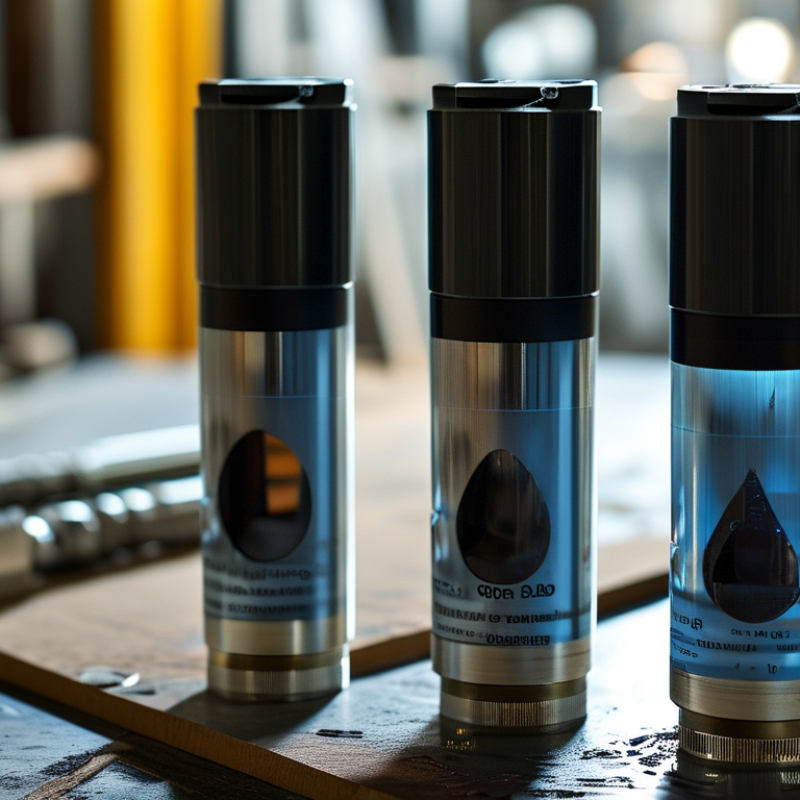
CO2 tubes are sealed laser sources that excite carbon dioxide, nitrogen, and helium inside a glass, ceramic, or metal cavity. Their designs differ mainly by cooling method, discharge structure, power range, and service life. The ten common categories include sealed glass DC tubes, water-cooled tubes, metal RF tubes, ceramic RF tubes, axial-flow, fast-axial-flow, transverse-flow, slab, diffusion-cooled, and waveguide designs.
Glass DC tubes suit entry-level cutting and engraving machines. They are affordable, but mirror alignment and cooling quality strongly affect output stability. Metal RF and ceramic RF tubes usually offer faster pulsing and longer operating life.
Axial-flow designs move gas along the resonator, while transverse-flow systems circulate gas across it. Slab and diffusion-cooled designs remove heat differently and can produce compact equipment. Small details matter. A tube can look powerful on paper yet perform poorly with weak cooling.
The 2024 MarketsandMarkets Laser Technology report identifies materials processing as a major laser application area, reflecting continued demand for reliable industrial sources. A 2024 report from Grand View Research also describes rising adoption of compact and high-efficiency laser systems. These findings support careful tube selection, not automatic preference for higher wattage. Buyers should compare rated power, optical mode, pulse response, cooling requirements, replacement intervals, and operating environment. Manufacturer claims still need practical verification. That part is often overlooked.
How CO2 Tube Types Are Classified by Application and Structure
Top 10 CO2 Tube Types for Global Buyers
How CO2 Tube Types Are Classified by Application and Structure
CO2 tubes are classified by both use and construction. The common ten types include seamless steel cylinders, composite cylinders, siphon tubes, dip-tube cylinders, tube-bundle units, trailer tubes, liquid CO2 vessels, beverage-grade tubes, laboratory calibration tubes, and process-gas tubes. Seamless steel models suit industrial welding, water treatment, and food processing. Composite models reduce weight, but they need stricter inspection. Siphon tubes withdraw liquid CO2. Dip tubes do the same through an internal pickup pipe. The boundary is not always clean.
Application changes the design. Beverage and laboratory tubes require controlled purity, traceability, and stable valves. Process-gas tubes usually prioritize capacity and continuous delivery. Trailer tubes support larger industrial demand, while small cylinders fit clinics, laboratories, and mobile equipment. ISO 9809-1 covers refillable seamless steel gas cylinders. ISO 11120 addresses large transportable seamless steel tubes above 150 litres. These standards help buyers compare wall thickness, testing, and service life.
Demand is also shaped by carbon-management projects. The Global CCS Institute’s 2024 report identified 50 commercial carbon-capture facilities operating worldwide, with many more under construction or development. That growth may increase demand for high-capacity CO2 transport equipment. However, tube selection should not follow market headlines alone. Gas purity, filling temperature, working pressure, valve design, inspection records, and local transport rules matter more. A cheaper tube can become expensive after repeated handling failures. That lesson is easy to overlook.
Top 10 CO2 Tube Types for Global Buyers
How CO2 tube types are classified by application and structure
The chart compares representative continuous-output ranges used in CO2 laser systems. Sealed glass and waveguide tubes are commonly selected for marking, engraving, cutting, and laboratory equipment, while slab, fast-axial-flow, and transverse-flow structures are used for higher-power industrial cutting and welding. Actual ratings vary with tube length, excitation method, cooling system, gas mixture, duty cycle, and operating wavelength.
Top CO2 Tube Types for Industrial, Medical, and Laboratory Use
Top 10 CO2 Tube Types for Global Buyers
Top CO2 tube types serve industrial, medical, and laboratory users differently. Construction, pressure rating, valve design, and gas purity all matter.
Seamless steel tubes suit factories requiring durable, high-capacity storage. Aluminum tubes reduce weight and support easier handling in medical facilities. Composite tubes offer another lightweight option, though their cost may require careful review. High-pressure gas cylinders store gaseous CO2 for welding, instrumentation, and controlled processes. Liquid CO2 cylinders hold larger quantities for beverage systems and industrial cooling.
Siphon-tube cylinders withdraw liquid CO2 directly, making them useful for selected process equipment. Medical-grade cylinders support respiratory procedures when purity and traceability are documented. Food-grade cylinders serve beverage and food-processing applications under strict quality controls. Laboratory lecture bottles provide small volumes for calibration and analytical work. Portable laboratory cylinders help researchers move gas between workstations safely.
A practical warning matters here. “Tube” can describe different products across markets. Buyers should confirm whether they need gaseous or liquid withdrawal. They should also check valve compatibility, filling limits, pressure-test dates, and transport rules. Purity claims alone are not enough. Certificates, material records, and inspection history deserve equal attention. Selection is rarely perfect on the first attempt. Actual usage patterns may expose overlooked issues, especially when storage space, temperature changes, or frequent handling affect performance.
How Global Buyers Can Compare Suppliers and Select the Right CO2 Tube
Global buyers should compare CO2 tube types by application, not by advertised wattage alone.
Glass DC-excited tubes suit many entry-level cutting and engraving systems. RF metal tubes often provide faster response, longer service intervals, and higher purchase costs. Ceramic-bodied designs may offer strong thermal stability, but compatibility must be checked carefully. The right choice depends on active length, rated power, beam mode, cooling method, and mounting space. A tube that fits physically may still perform poorly in the machine.
Supplier evaluation needs evidence, not polished claims.
Request test reports showing output power, pulse stability, insulation checks, and cooling requirements. Ask how each tube is aged, packed, traced, and tested before shipment. Confirm replacement terms, lead times, storage guidance, and technical support across time zones. Check whether the supplier can provide consistent dimensions between batches. Small differences can affect alignment. Total cost matters more than the lowest quote. Include freight, rejected units, installation labor, and downtime. A two-year warranty sounds useful, but its coverage may be unclear. Read the exclusions. I would also compare samples under the same current, water temperature, and optical setup. Supplier promises can change. Measured performance is harder to misunderstand.