What is a Galvo System and How Does It Work?
In the world of laser technology, the Galvo System stands out for its precision and speed. Dr. Jane Thompson, an expert in optical engineering, once stated, "The Galvo System transforms how we perceive laser applications." This statement emphasizes its pivotal role in various industries, from manufacturing to medical applications. The system utilizes galvanometers to direct laser beams with remarkable accuracy, making it indispensable.
Understanding the Galvo System involves recognizing its mechanics and functionality. It employs mirrors that rapidly reposition, enabling intricate designs and fine details to be etched or marked on materials. The system's quick response time contributes to enhanced productivity. However, challenges exist. Variations in material reflectivity can affect outcomes. Proper calibration is vital for consistent results.
The Galvo System has revolutionized industries, but it’s not without flaws. Users must grasp its intricacies for optimal use. Balancing speed with precision can be tricky. Overall, the benefits of the Galvo System far outweigh its limitations. With continuous advancements, it promises to reshape future technological landscapes.
What is a Galvo System?
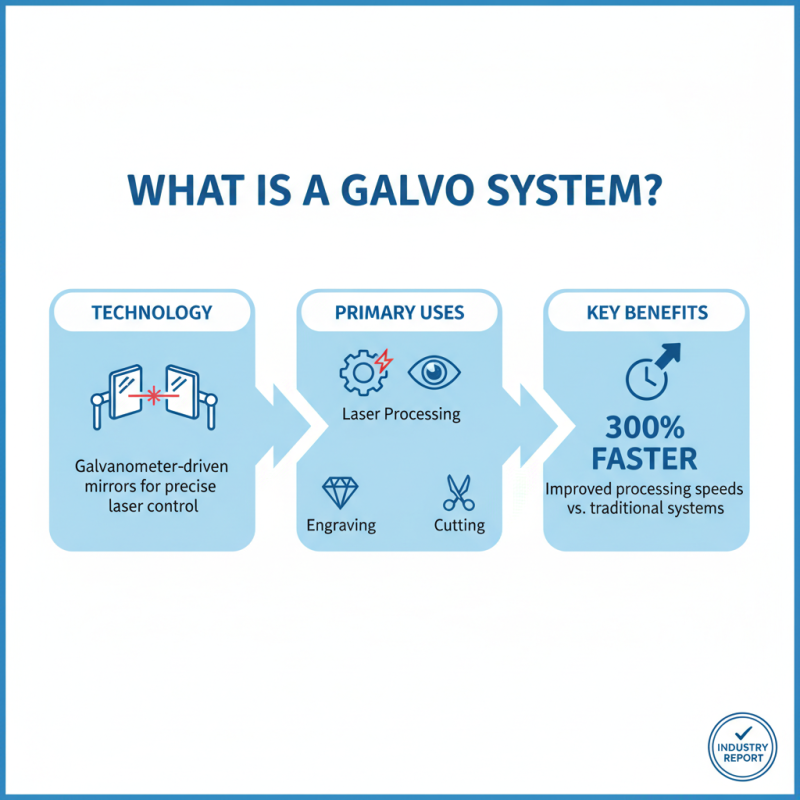
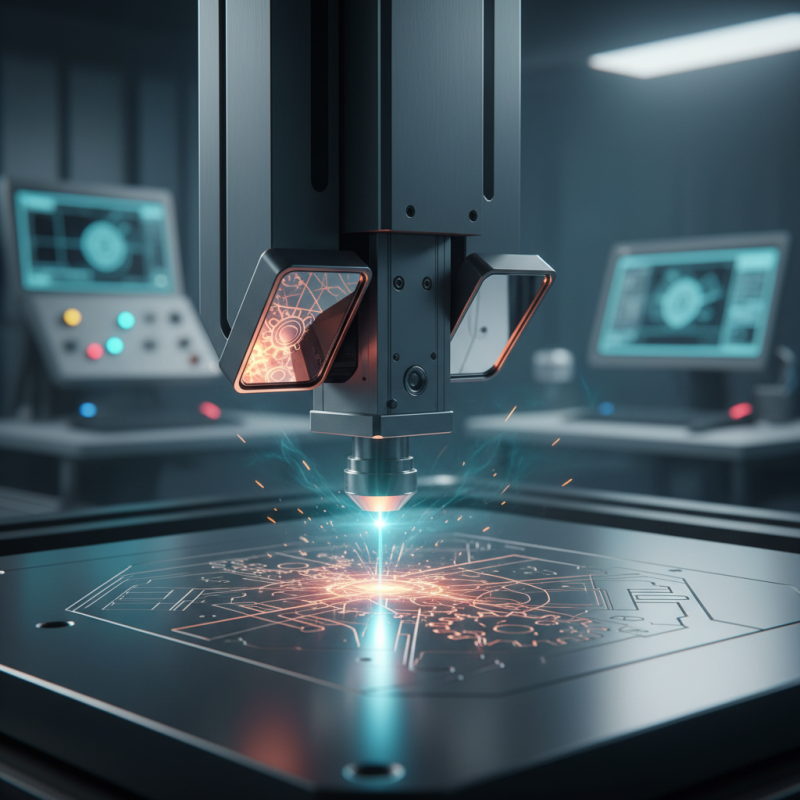
A Galvo system is an advanced technology used primarily in laser processing and scanning applications. It employs galvanometer-driven mirrors, which provide precise control over laser beams. This system allows for rapid movement and positioning, crucial for tasks like engraving and cutting. According to recent industry reports, Galvo systems can improve processing speeds by up to 300% compared to traditional systems.
The main components of a Galvo system include the laser source, control software, and the galvanometer. The galvanometer features a pair of mirrors that redirect the laser beam. This enables accurate targeting on various materials. MarketsandMarkets reports that the growth of the laser processing industry is projected to reach $20 billion by 2025, underscoring the relevance of Galvo technology.
Tips for maximizing efficiency with Galvo systems include maintaining the mirrors and ensuring optimal alignment. Regular cleaning prevents debris from affecting performance. Additionally, utilizing compatible software can enhance control and functionality. Experimentation with different settings is vital for achieving desired results. Remember, even minor adjustments can significantly impact overall performance. Understanding these nuances is essential for operators aiming to leverage the full potential of Galvo systems.
Key Components of a Galvo System
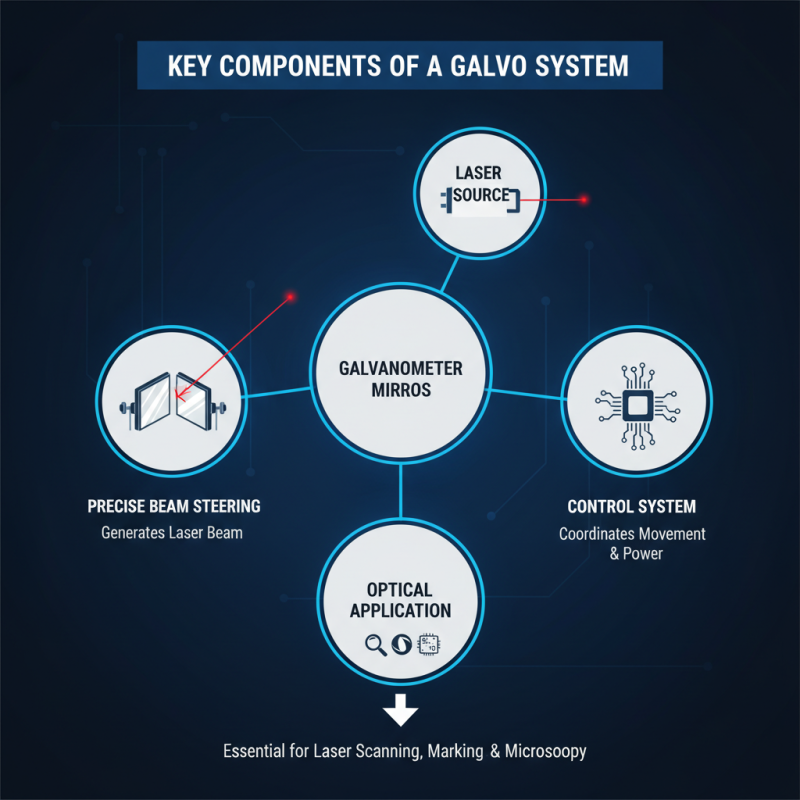
A Galvo system is essential in many optical applications. It consists of several key components that work in harmony to ensure precise control over laser beams. The primary components include galvanometer mirrors, laser sources, and control systems.
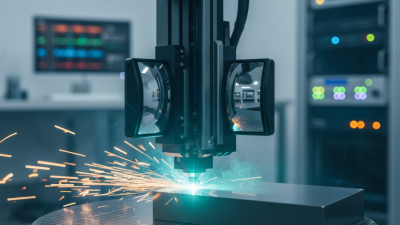
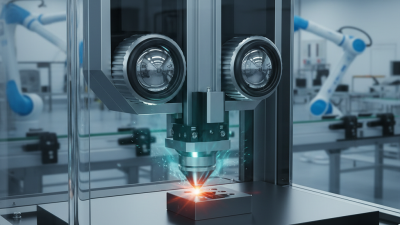
Galvanometer mirrors are critical for beam directing. These mirrors enable quick, accurate movements. They respond to electrical signals, adjusting the laser's path almost instantaneously. This speed allows for detailed engraving and marking on various materials. The quality of these mirrors can significantly affect the overall performance of the system.
The laser source generates the beam needed for application. Different types of lasers can be selected based on the job requirements. It’s crucial to match the laser type with the material being processed. The control system acts as the brain of the operation, interpreting user inputs. This creates a coherent connection between the operator and the hardware. However, synchronization issues can arise. Even a slight delay may distort results, leading to errors in the final output.
Understanding these components is key for troubleshooting. Knowing how each part functions helps in enhancing the system's reliability. Regular maintenance of these components is vital for optimal performance.
How Galvo Systems Generate Precise Movements
Galvo systems are pivotal in achieving high precision in various applications. These systems utilize galvanometer-driven mirrors or lenses to direct laser beams. This enables rapid and accurate movements that are essential in industries like manufacturing and medical technology.
Recent industry reports indicate that galvo systems can achieve positioning accuracies within 1-5 microns. This level of precision is vital for processes such as laser engraving and cutting. The mirrors in these systems respond to electrical signals, allowing for precise angular adjustments. However, despite advanced technology, maintaining alignment remains a challenge. Even slight deviations can lead to errors in output quality.
Moreover, the speed of galvo systems can reach up to 1,000 degrees per second. This rapid response is impressive but raises concerns about heat generation and mirror fatigue. Engineers must consider these factors to ensure long-term reliability. The ongoing demand for precision and efficiency pushes the boundaries of what's achievable, prompting continuous refinement in galvo technology.
Applications of Galvo Systems in Industry
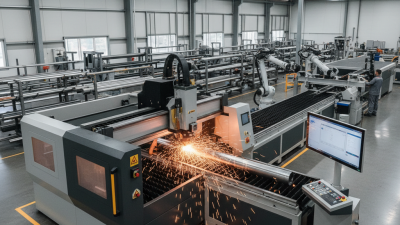
Galvo systems are increasingly finding their way into various industries due to their precision and speed. These systems utilize galvanometric mirrors to direct laser beams accurately. In manufacturing, they excel in laser marking and engraving. The ability to operate quickly allows for high-throughput production. This can dramatically improve efficiency, but it requires careful calibration.
In the realm of electronics, galvo systems play a crucial role. They are used for circuit board inspection and laser cutting. The precision of these systems ensures minimal error and high-quality outcomes. However, integrating galvo systems can be challenging. Proper installation and training are vital to unlock their full potential.
Sectors like automotive and aerospace benefit significantly from galvo technology. Here, it assists in intricate component fabrication. The technology helps reduce waste while maintaining quality. Despite these advantages, reliance on automation raises questions. Over-dependence can limit skilled labor opportunities. Balancing technology and human expertise is essential for sustainable growth.
What is a Galvo System and How Does It Work? - Applications of Galvo Systems in Industry
| Application |
Industry |
Description |
Advantages |
| Laser Marking |
Manufacturing |
Using galvo systems to precisely control laser beams for marking products. |
High speed, precision, and minimal contact with the material. |
| 3D Scanning |
Medical |
Utilizing galvo-driven systems to capture detailed 3D scans of patients. |
Quick data collection and high-resolution images. |
| Laser Cutting |
Textiles |
Employing galvo systems for precise laser cutting of fabric and materials. |
Improved accuracy and reduced material wastage. |
| Surface Treatment |
Automotive |
Using lasers for surface hardening and cleaning processes. |
Enhanced durability and finish quality. |
| Laser Engraving |
Consumer Goods |
Engraving designs and logos onto various consumer products. |
Deep, clean engraving with long-lasting results. |
Benefits and Challenges of Using Galvo Systems
Galvo systems play a vital role in precision applications, especially in laser technology. These systems allow for rapid and accurate positioning of laser beams. One major benefit is efficiency. Reports show that Galvo systems can increase throughput by up to 30% compared to traditional systems. This enhancement significantly reduces production time and costs.
However, challenges exist. The calibration and setup of Galvo systems require advanced knowledge. It is crucial to maintain alignment over time. Even minor misalignments can lead to a decline in performance. A study from the International Journal of Laser Engineering noted that improper calibration can decrease output quality by as much as 25%.
Moreover, while Galvo systems are fast, they can introduce complexities in software integration. Engineers must ensure that the control systems are compatible. Troubleshooting can sometimes be time-consuming. Data indicates that up to 10% of operating costs may arise from these integration challenges. Balancing the benefits and pitfalls is essential for optimizing performance and usability in varied industrial applications.