Discover the Best Laser Engraver Tube for Your Needs?
When selecting a Laser Engraver Tube, understanding your specific needs is crucial. The global laser engraving market was valued at approximately $2 billion in 2022, and it is expected to grow steadily. This growth reflects increased demand for precision in various industries, including manufacturing and crafts. The right tube ensures efficient engraving, delivering optimal results for both professional and hobbyist projects.
A quality Laser Engraver Tube affects performance significantly. It can determine engraving speed, precision, and the range of materials that can be processed. Data indicates that a well-selected tube can enhance engraving efficiency by up to 30%. However, many users struggle to choose the right one due to varying quality and specifications. Misunderstandings about wattage and compatibility can lead to unsatisfactory results.
Finding the best Laser Engraver Tube requires consideration of various factors. Users often face decisions on brand reliability and tube lifespan. Not all tubes perform equally, and cheaper options might not deliver lasting results. It's essential to reflect on past experiences and be mindful of the intended applications before making a choice. A wise investment can lead to remarkable outcomes in your engraving projects.
Understanding the Basics of Laser Engraver Tubes
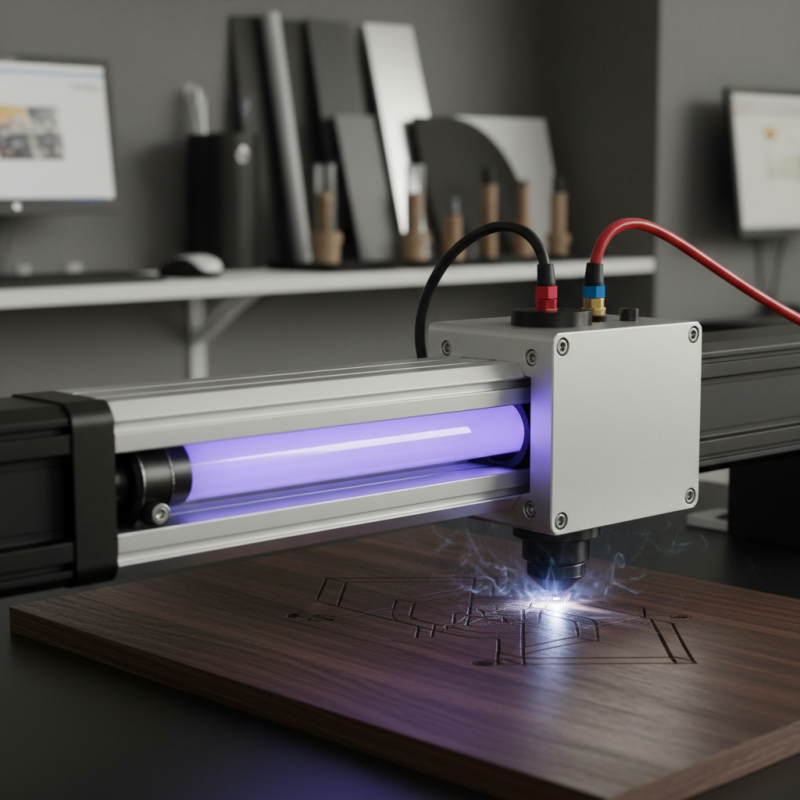
Laser engraver tubes play a crucial role in the quality and efficiency of your engraving projects. Understanding these tubes involves knowing their types, materials, and power settings. Most common types are CO2 and fiber lasers. CO2 tubes are ideal for non-metals, while fiber lasers work well on metals. Different applications may require different tube specifications.
Tips: Choose a tube based on your primary materials. For beginners, a CO2 tube provides versatility. Assess the power rating too. A higher wattage means faster engraving and cutting. Common wattages range from 30W to 150W. If you plan to expand your projects, investing in a stronger tube may be wise.
While selecting a tube, consider your budget. Some high-quality tubes may be out of reach. Be mindful of the lifespan of a laser tube. They typically last between 1,000 to 10,000 working hours. Always check warranties and return policies. Research user feedback to gauge reliability before making a purchase.
Understanding Laser Engraver Tube Performance
This chart illustrates the engraving and cutting speeds of various laser engraver tubes rated at different wattages. The data helps you understand how power ratings affect performance, enabling informed decisions when selecting a laser engraver tube for your specific needs.
Types of Laser Engraver Tubes Available on the Market
When selecting the right laser engraver tube, understanding the various types available is crucial. There are primarily three types: CO2 tubes, fiber tubes, and solid-state lasers. Each type offers unique advantages suited for different applications. CO2 tubes are popular for their ability to work with organic materials such as wood and acrylic, showing efficacy in the engraving industry. Reports indicate that approximately 70% of users prefer CO2 lasers for their versatility in cutting and engraving.
Fiber laser tubes, on the other hand, are known for their efficiency in engraving metals. The wavelength they use allows for high-precision work, making them essential for industries requiring metal marking. Data shows that fiber lasers have a faster engraving speed, often outperforming CO2 models on metal surfaces. However, they are generally less effective on non-metal materials. This aspect might lead to challenges for businesses looking for a one-size-fits-all solution.
Solid-state lasers are a niche choice, primarily used in high-end applications. Although they offer high precision, their cost can be a barrier for small businesses. It's important to weigh the benefits against potential drawbacks. Many users report a steep learning curve with more advanced options. Therefore, assessing specific needs and budget constraints is vital. Consideration of these factors will lead to a better decision that aligns with operational goals.
Factors to Consider When Choosing a Laser Engraver Tube
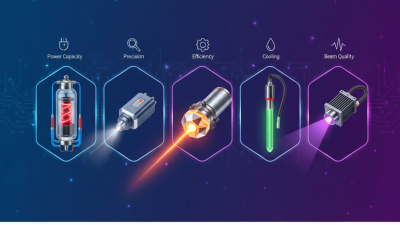
When selecting a laser engraver tube, several critical factors require attention. One of the key elements is the power output. Generally, tubes range from 40W to 150W. A higher wattage increases engraving speed and depth. Reports suggest that a 100W tube can engrave materials like wood and acrylic more efficiently than a 50W tube. Consider your specific needs. For intricate designs, a lower wattage might be sufficient.
Another important factor is the tube's lifespan. Most CO2 laser tubes last between 1,000 to 3,000 hours of use. It's essential to evaluate if this longevity aligns with your production demands. Additionally, cooling methods can impact performance and durability. Active water cooling systems can result in improved tube longevity. Also, pay attention to the tube's compatibility with your engraver. Some systems may require specific adjustments or setups.
Finally, it's crucial to consider the material types you plan to engrave. If your projects include metal, you might need a different tube type altogether. Research shows that non-metal materials are commonly used due to the user-friendly setup. Still, the choice of materials will ultimately guide your tube selection. Finding the ideal balance between power, longevity, and compatibility is vital for achieving the best results.
Top Brands and Models of Laser Engraver Tubes Reviewed
When choosing a laser engraver tube, understanding the key features is crucial. The quality of the engraving is influenced by wattage, material compatibility, and precision. Tubes typically range from 30W to 150W. Higher wattages offer faster engraving but can also increase running costs. A balance between power and efficiency is essential for optimal performance.
Popular models often excel in ease of installation and user-friendly interfaces. They may include adjustable settings that cater to different materials like wood, acrylic, and leather. Some users experience challenges with complex setups. Ensuring compatibility with your existing equipment is vital to avoid frustrating adjustments later.
Cost is a significant factor. Some high-end tubes promise longevity and performance but often come with steep price tags. This can lead users to question their investment. Researching user reviews and technical specifications can provide valuable insights. Seek opinions from fellow engravers in forums and communities for real-world experience and feedback. Each model has strengths and weaknesses, making it essential to align your specific needs with the right choice.
Discover the Best Laser Engraver Tube for Your Needs
| Model |
Power (W) |
Engraving Speed (mm/s) |
Material Compatibility |
Lifespan (Hours) |
| Model A |
60 |
300 |
Wood, Acrylic, Leather |
2000 |
| Model B |
80 |
400 |
Acrylic, Glass, Wood |
2500 |
| Model C |
100 |
500 |
Leather, Fabric, Plastic |
3000 |
| Model D |
150 |
600 |
Stone, Metal, Wood |
3500 |
| Model E |
200 |
700 |
Wood, Glass, Acrylic |
4000 |