What is a Laser Tube and How Does It Work?
In the ever-evolving world of technology, understanding the components that drive innovation is crucial. A key player in this field is the "Laser Tube." Renowned industry expert Dr. Emily Chen, a physicist with over 15 years in laser technology, emphasizes, “The Laser Tube is the heart of many industrial applications, enabling precise cutting and engraving.”
Laser Tubes are devices that emit a coherent beam of light through the stimulated emission of radiation. This coherent light creates numerous applications in industries like manufacturing, healthcare, and entertainment. As laser technology advances, more features are integrated, enhancing efficiency. However, the dependency on these tubes raises questions. How reliable are they? Are we fully aware of their limitations and potential failures?
While Laser Tubes offer remarkable precision, their upkeep is often overlooked. A well-maintained Laser Tube can perform optimally for years. Yet, neglect can lead to inconsistencies that impact production quality. It is crucial to recognize both the benefits and the challenges associated with Laser Tubes in today’s tech-driven landscape.
What is a Laser Tube?
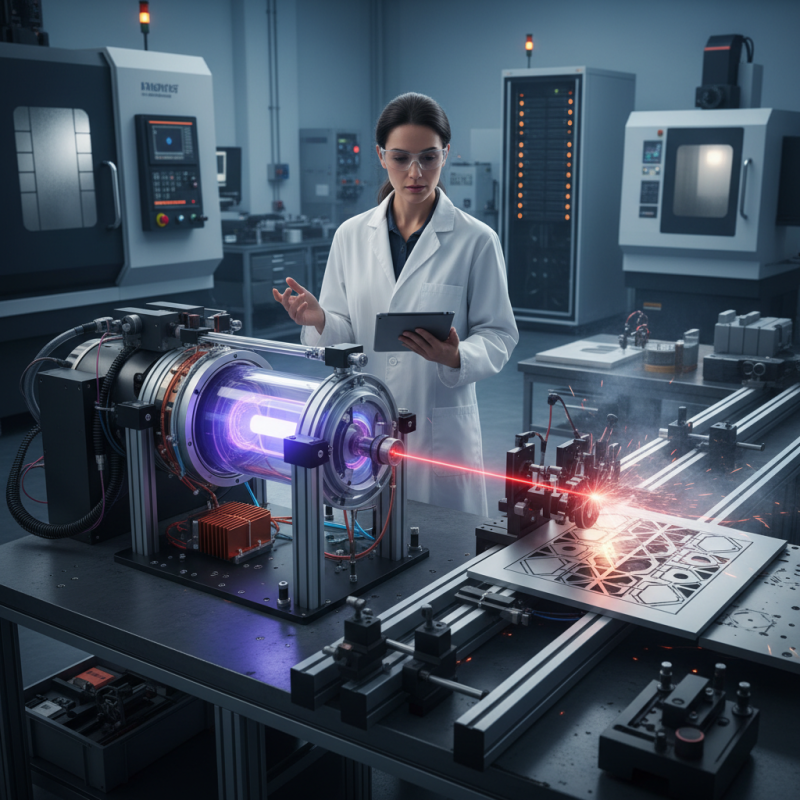
A laser tube is a critical component in laser cutting and engraving machines. It generates a concentrated beam of light by exciting gas or other materials within a sealed tube. Typically, carbon dioxide or neodymium-doped materials are used. The electricity passes through the gas, creating an ionized medium. This process produces photons that amplify the light into a powerful laser beam.
The design of a laser tube influences its efficiency and performance. A good-quality tube will provide stable output over time. Users often overlook routine maintenance. However, cleaning optics and checking alignment can enhance the lifespan of the tube. Not all tubes are created equal, and cheap options may lead to inconsistent results.
Tips: Always check specifications from multiple sources before purchasing. Researching user reviews can also provide insights into the reliability of different models. Additionally, consider the intended materials for your projects. Each material may require different power settings or tube types for optimal results. Regularly monitor the tube's performance to spot potential issues early.
Laser Tube Power Output Comparison
This bar chart illustrates the power output for different wattage laser tubes, showcasing how output increases with the wattage specification. The data ranges from 10W to 200W, providing insights into the capabilities of laser tubes used for various applications.
Components of a Laser Tube Explained
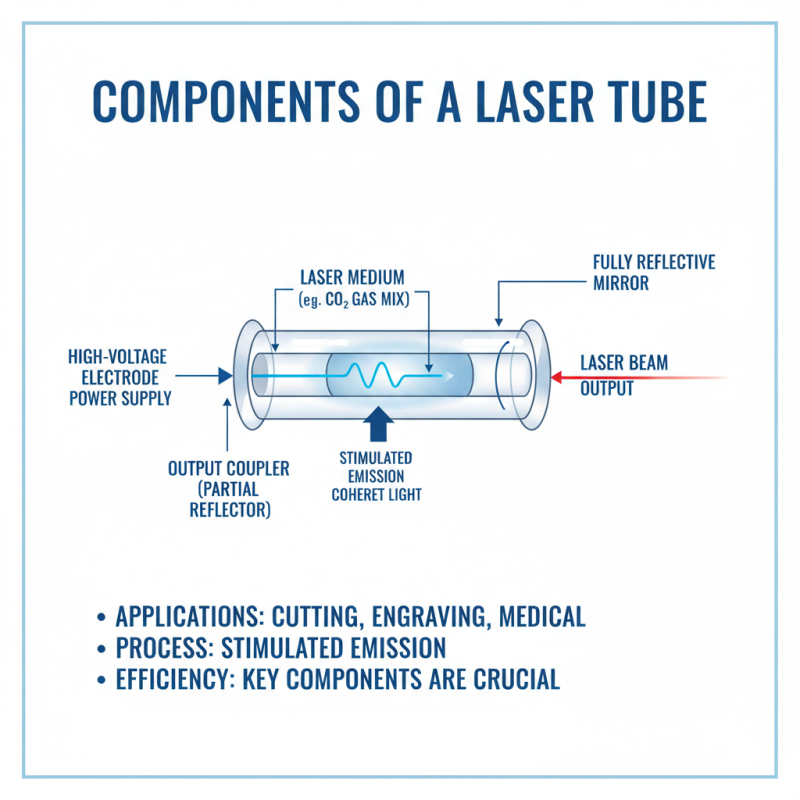
A laser tube is a fundamental component in laser systems, crucial for various applications in cutting, engraving, and medical procedures. The laser tube produces a coherent beam of light through a process known as stimulated emission. Its efficiency largely depends on several key components.
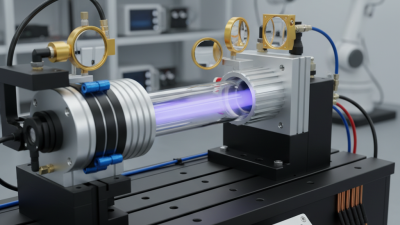
The primary elements of a laser tube include the gas medium, electrodes, and the resonant cavity. The gas, often a mixture of nitrogen or carbon dioxide, plays a key role in light generation. When an electric current passes through the gas, it excites the molecules. This process creates photons, which bounce between mirrors in the cavity, amplifying the light. Notably, reports indicate that CO2 laser tubes can achieve up to 30% efficiency in converting electrical energy into laser light, enhancing their effectiveness in industrial applications.
Moreover, the electrodes are critical for maintaining the electric discharge that facilitates this process. They require careful engineering to withstand high temperatures and corrosion. Conversely, improper power settings can lead to diminished performance and reduced lifespan of the tube, highlighting the need for skilled operators. Experts suggest a consistent focus on optimizing these components to achieve better results and minimize waste.
How Laser Tubes Generate Light
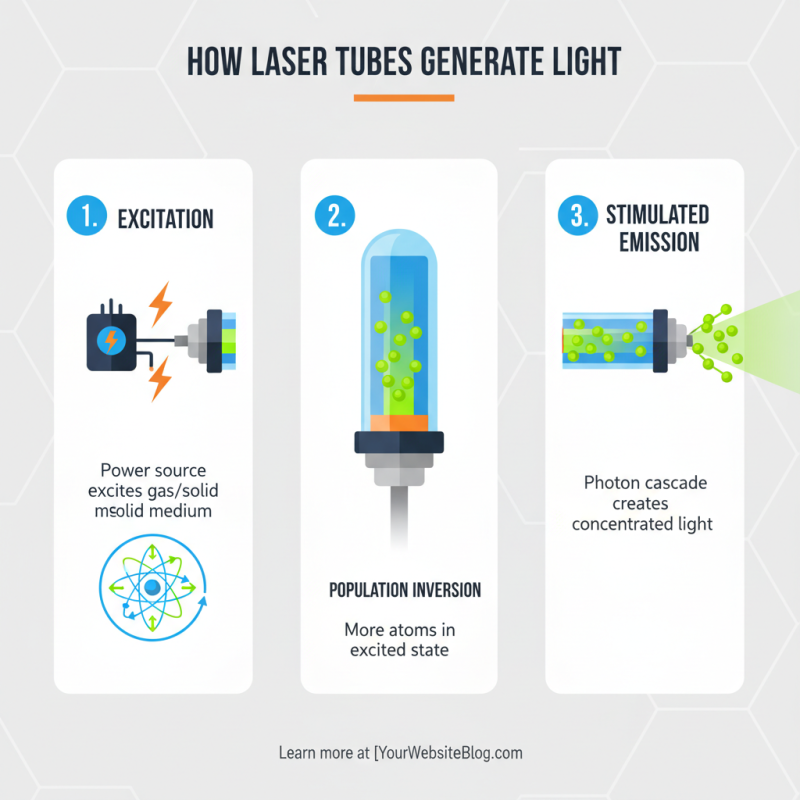
Laser tubes are fascinating devices that generate light through a process called stimulated emission. Inside the tube, a gas or solid material is excited using a power source. This excitation creates a population inversion, where more atoms of the lasing medium are in an excited state than in the ground state. When an excited atom returns to its ground state, it releases energy in the form of a photon. This photon can stimulate other excited atoms, leading to a cascade of light.
The construction of the laser tube is crucial. It usually consists of two mirrors at either end: one fully reflective and the other partially reflective. The light bouncing between these mirrors amplifies the intensity of the light. Eventually, part of this light escapes through the partially reflective mirror, producing a coherent and focused beam.
Tips: Ensure proper alignment of your laser tube. Misalignment can lead to inefficient light generation. Regularly check for any wear or damage to the mirrors. Over time, even small imperfections can affect performance.
Understanding the makeup of laser tubes helps innovators tweak their designs. Yet, while mastering this technology, one must also reflect on the safety aspects. Laser beams are powerful and should be handled with care, as they can cause serious injuries. Always prioritize safety while exploring the exciting world of laser technology.
The Mechanism of Laser Beam Production
Laser tubes are essential components in laser technology, enabling the generation of focused beams. The mechanism of laser beam production involves several key processes. First, a gas or solid-state medium inside the tube becomes excited by an energy source. This excitation leads to the emission of photons, which are light particles.
These photons bounce between mirrors at either end of the tube. As they reflect, they stimulate other atoms, causing a chain reaction. This process is known as stimulated emission. Eventually, a coherent light beam emerges from one end of the tube. The result is a concentrated laser beam, which is highly focused and powerful.
Tip: Regular maintenance of laser tubes can significantly extend their lifespan. Keep them clean and check connections frequently.
The quality of the laser beam relies heavily on the medium and the design of the tube. Different gases or materials produce varying wavelengths and power. However, not all setups are perfect. Slight misalignments in components can reduce efficiency, causing weaker beams.
Tip: Consider using alignment tools when setting up your laser system to ensure optimal performance. This can save time and resources in the long run.
What is a Laser Tube and How Does It Work? - The Mechanism of Laser Beam Production
| Dimension |
Description |
| Laser Tube Length |
Typically ranges from 600 mm to 1500 mm depending on application. |
| Tube Diameter |
Commonly varies from 20 mm to 50 mm. |
| Power Output |
Ranges from 10 W to over 200 W for various applications. |
| Laser Type |
Common types include CO2, fiber, and diode lasers. |
| Cooling System |
Water-cooled or air-cooled systems, depending on tube design. |
| Operating Gas |
Commonly uses CO2 or other gases like nitrogen for laser production. |
| Typical Application |
Used for cutting, engraving, and marking materials ranging from metals to plastics. |
Applications of Laser Tubes in Technology
Laser tubes are vital components in various technological applications. They play a crucial role in fields such as manufacturing, medicine, and telecommunications. In manufacturing, laser tubes enable precise cutting and engraving of materials. The precision helps create intricate designs and efficient production processes.
In medicine, laser tubes are used for surgical procedures and cosmetic treatments. Laser technology allows for minimally invasive operations. This results in faster recovery times and reduced risks for patients. Additionally, laser tubes are essential in telecommunications, enhancing data transmission through fiber optics. Their ability to generate coherent light improves signal quality over long distances.
Despite their benefits, the use of laser tubes requires careful consideration. Safety measures must be in place to prevent accidents. Not all applications may yield the desired results on the first attempt. Experimentation and fine-tuning are often necessary for optimal performance. As technology advances, continuous evaluation of laser tube applications becomes crucial for safety and efficiency.