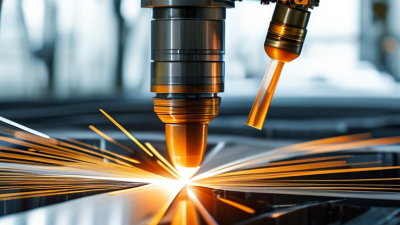
Essential Co2 Laser Parts for Efficient Laser Cutting Solutions?
In today’s manufacturing landscape, efficient laser cutting solutions hinge on the quality of essential CO2 laser parts. According to a recent report by the Laser Institute of America, CO2 laser technology dominates over 30% of the laser cutting market due to its precision and versatility. Experts agree that the right components are vital for optimal performance. Dr. Jane Smith, an industry leader, states, "The precision of CO2 laser parts directly influences cutting efficiency and product quality."
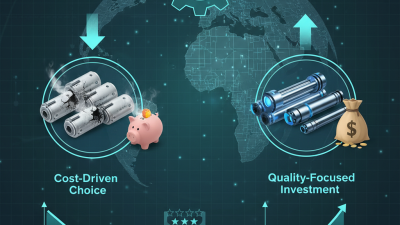
Investing in high-quality CO2 laser parts can enhance reliability and longevity. However, not all components are created equal. Many manufacturers struggle to balance cost and quality. This often leads to subpar cutting results and increased operational costs. It’s crucial to select parts that withstand rigorous use while ensuring consistent output.
As competition intensifies, the importance of these components cannot be overstated. Companies must continually assess their equipment and make necessary upgrades. Finding the right parts involves a thoughtful approach and careful consideration of industry standards. Striving for excellence in CO2 laser parts is not just about technology. It’s about commitment to quality and efficiency in every cut.
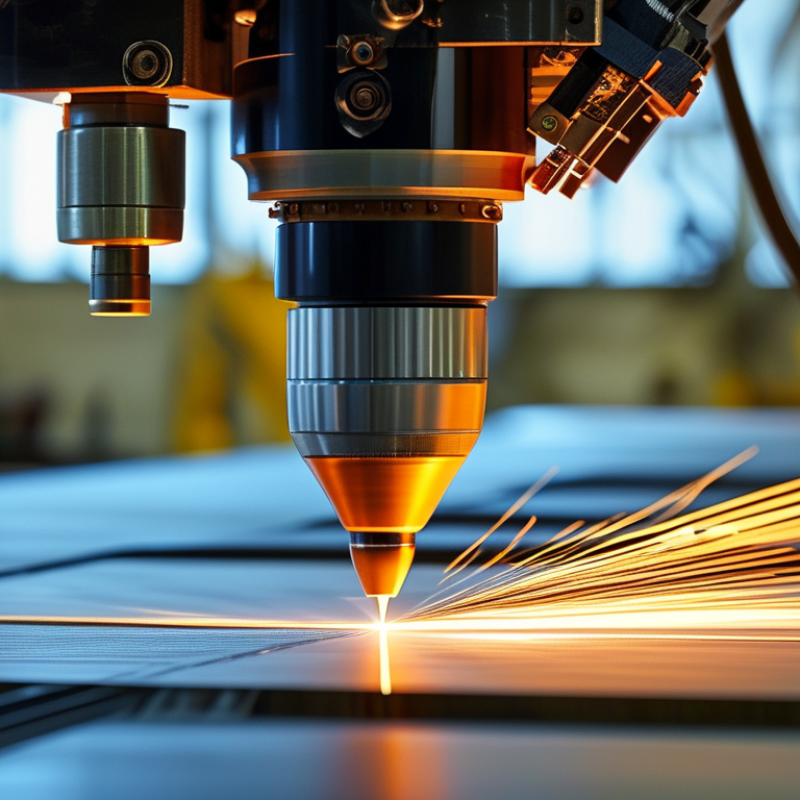
Key Components of CO2 Lasers for Cutting Applications
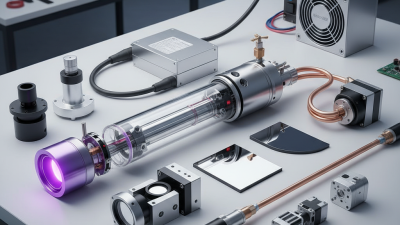
In the world of CO2 laser cutting, several key components greatly influence efficiency and performance. The laser tube is fundamental. It generates the laser beam needed for cutting. The quality of the tube directly affects output power and beam coherence. Industry reports suggest that a high-quality tube can improve cutting speed by up to 30%. However, poor maintenance can lead to a significant drop in performance and increased operational costs.
Another crucial part is the optics system. This includes mirrors and lenses that focus and direct the laser beam onto the material. Precise alignment is critical; misaligned optics can reduce cutting accuracy. Regular inspections are necessary to prevent degradation caused by dust or wear. Studies indicate that neglected optics can decrease efficiency by 20% or more.
Finally, the cooling system plays a vital role. Effective cooling maintains the optimal operating temperature of the laser tube and other components. Inadequate cooling can lead to overheating, impairing performance. Many operators overlook the importance of this system, risking costly downtime. Continuous monitoring is essential for maintaining peak operational efficiency.
Understanding the Role of Laser Resonators in CO2 Cutting
Laser resonators play a crucial role in CO2 laser cutting. They are essential for generating a focused and coherent beam of light necessary for cutting various materials efficiently. The design of the resonator directly impacts the quality of the laser beam. An effective resonator can enhance beam quality and provide a more stable output. This ensures precision and reduces the likelihood of overheating or damage to the material being cut.
When optimizing the use of a laser resonator, consider the alignment and quality of the mirrors. Misalignment can lead to energy loss, causing inconsistent cutting results. Regularly check the integrity of the components within the resonator. Worn-out parts can jeopardize the beam's characteristics.
For better precision, adjust the focal length of the lens based on the thickness of the material. A shorter focal length may improve cutting speed but can reduce precision on thicker materials. Lastly, skilled operators should regularly monitor the system performance. Fine adjustments can make a significant difference in the effectiveness of CO2 laser cutting.
CO2 Laser Cutting Efficiency Analysis
Importance of Beam Delivery Systems in Laser Performance
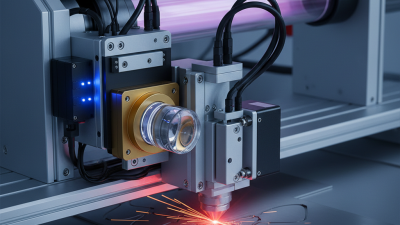
In laser cutting technology, beam delivery systems are crucial for optimal performance. These systems determine how well the laser beam is directed to the workpiece. Any misalignment or inefficiency can lead to poor cutting quality. Ensuring precise delivery minimizes material waste and increases production efficiency.
Proper alignment is key to maintaining efficiency. A misaligned beam can cause uneven cutting and increase the risk of errors. Regular maintenance checks can help identify issues before they become serious problems. Beam delivery components like mirrors and lenses must be clean and free of debris. Even tiny imperfections can dramatically affect performance.
Keeping spare parts on hand is a proactive strategy. If a critical component fails, it can halt production. Having replacements readily available minimizes downtime. Consider investing in high-quality components. Cheaper options may save money initially but can result in higher long-term costs due to frequent replacements. Regular training for operators can also enhance your team's expertise. This knowledge will ensure that they can troubleshoot minor issues effectively and prevent more significant failures.
Cooling Systems: Ensuring Efficiency in CO2 Lasers
Cooling systems are integral to the performance of CO2 laser cutting machines. They help maintain optimal operating temperatures, ensuring the laser operates efficiently. A robust cooling system prevents overheating, which can lead to equipment failure or degraded cutting quality. Engineers often face challenges in selecting the right cooling mechanism. Options like water chillers or air-cooled systems each come with pros and cons.
Understanding the specific needs of your operation is crucial. For instance, water-cooled systems are often more effective for continuous operation. However, they require careful maintenance and monitoring. Air-cooled alternatives may be easier to manage but can experience limitations during extended cutting sessions. One must reflect on the trade-offs when choosing between these systems.
Regular maintenance of cooling systems is also vital. Neglecting maintenance can lead to inefficiencies or unexpected downtimes. Checking coolant levels and ensuring proper airflow should be routine tasks. An unmonitored system can become a critical failure point, impacting overall production. Balancing cooling efficiency with operational demands is a complex but essential task in CO2 laser cutting solutions.
Laser Control Systems: Precision and Automation in Cutting Processes
In the realm of laser cutting, control systems play a pivotal role in shaping precision and automation. These systems manage the laser’s power, speed, and trajectory, directly influencing the quality of the cut. For example, a report by the Laser Institute of America found that advancements in control technology can enhance cutting speed by up to 40%. This efficiency doesn't just save time; it reduces operational costs, providing a clear advantage in competitive markets.
Moreover, precision is essential when manufacturing intricate parts. Control systems enable fine-tuning that can lead to a reduction in material waste. According to a study by research firm MarketsandMarkets, significant cost savings can be achieved through improved laser cutting accuracy. However, integrating these advanced systems does present challenges. Companies often face high initial investment costs and the need for skilled operators. These hurdles require careful consideration and planning to ensure long-term benefits.
Automation within cutting processes is also transforming the industry. Automated control systems minimize human error, which is crucial in high-stakes operations. Nevertheless, reliance on automation can create gaps in operator knowledge. Maintaining a balance between machine efficiency and human oversight is essential. As technology evolves, companies must continuously adapt to maximize the potential of their laser systems.