Top Co2 Laser Parts for Efficient Laser Cutting Solutions?
In today's competitive manufacturing landscape, efficient laser cutting solutions are essential. CO2 laser technology has become a cornerstone of this sector. According to a recent report by Market Research Future, the CO2 laser market is projected to reach $4.7 billion by 2025, driven by rising demand in sectors like automotive and aerospace.
Expert Dr. John Mitchell, a leading authority on laser technology, emphasizes the importance of quality in CO2 laser parts: "The precision and reliability of CO2 laser parts can significantly impact the overall efficiency of cutting applications." This highlights that selecting the right components, such as lenses and mirrors, is crucial for optimal performance.
Manufacturers often overlook the significance of these parts. Neglecting to invest in high-quality CO2 laser components can lead to inefficiencies and increased operational costs. In an industry where precision is key, the right parts make a notable difference. The future of laser cutting will rely on advancements in CO2 laser parts, pushing for innovation and higher standards in the field.
Top Co2 Laser Types and Their Applications in Cutting Solutions
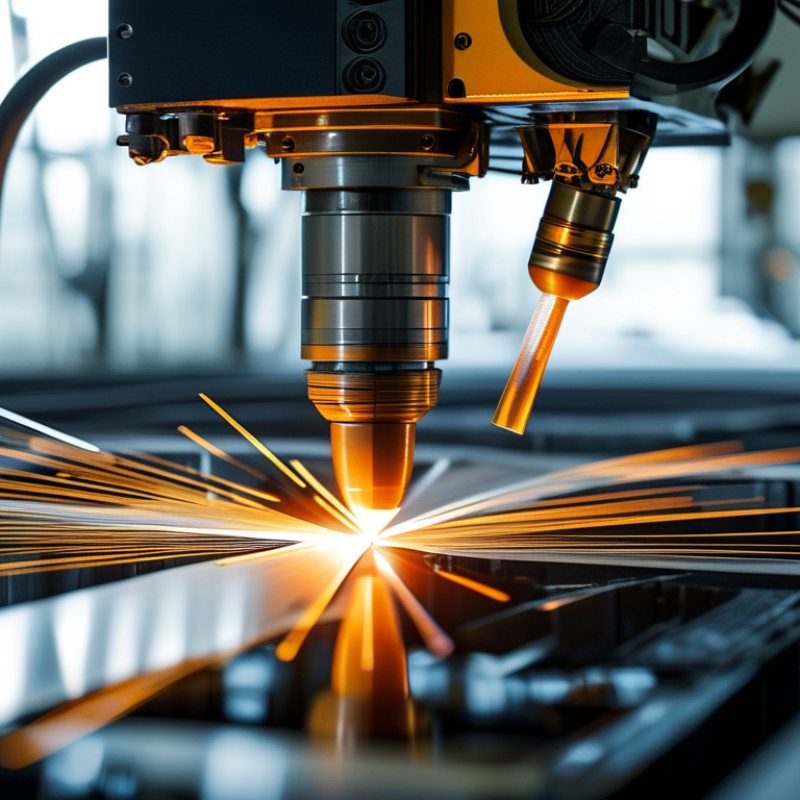
CO2 lasers are popular tools in various cutting applications due to their efficiency and versatility. They can cut a wide range of materials, including wood, acrylic, and metals. This makes them ideal for industries such as manufacturing and signage, where precision is key. The beam quality of CO2 lasers allows for clean cuts, reducing the need for post-processing.
Different types of CO2 lasers exist for specific tasks. For instance, sealed CO2 lasers are often used in smaller setups for hobbyists and crafts. On the other hand, industrial CO2 lasers require complex cooling systems and higher power levels. These lasers excel at cutting thick materials quickly, but they can be challenging to operate effectively.
With all their advantages, CO2 lasers still present challenges. Operators must manage settings like focus and power to achieve optimal results. Sometimes, this process requires trial and error. Additionally, maintenance is crucial. Keeping optics clean ensures maximum efficiency. Over time, even the best systems may struggle under continuous use, requiring thoughtful evaluation and possible upgrades. Balancing these aspects is essential for effective laser cutting solutions.
Top CO2 Laser Parts for Efficient Laser Cutting Solutions
| Part Name |
Function |
Material Compatibility |
Cutting Thickness (mm) |
Application |
| Laser Tube |
Generates laser beam |
Wood, Acrylic, Glass |
5-30 |
Signage, Art, Prototyping |
| Lens |
Focuses laser beam |
Metal, Paper, Plastic |
1-10 |
Detailed Cutting, Engraving |
| Nozzle |
Directs airflow/assists cutting |
Acrylic, Wood |
3-20 |
Engraving, Material Separation |
| Power Supply |
Provides energy to laser tube |
N/A |
N/A |
Vital for Operation |
| Cooling System |
Keeps laser tube at optimal temperature |
N/A |
N/A |
Prevents Overheating |
Essential Components of Co2 Laser Systems for Optimal Performance
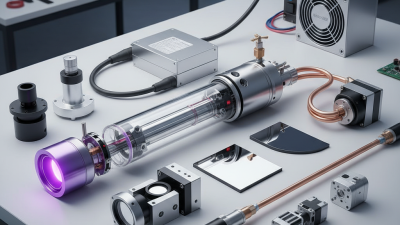
When exploring CO2 laser systems, understanding essential components is crucial for optimal performance. The resonator produces the laser beam and significantly affects cutting quality. A high-quality resonator ensures a focused beam, enhancing accuracy in cutting various materials. Mirrors in the system direct the beam and require regular maintenance to preserve effectiveness. Misaligned or dirty mirrors can lead to reduced performance.
Focusing lenses concentrate the beam onto the workpiece. Choosing the right lens for the material type and thickness is vital. Different lenses may perform better in specific applications. A lens with the wrong focal length can cause burns or incomplete cuts.
Tip: Regularly check all components for wear and tear. Neglecting small issues can lead to costly repairs down the line.
Another critical component is the cooling system. Efficient cooling helps maintain optimal operating temperatures for the laser. Overheating can lead to breakdowns and reduced output. Lastly, ensure proper ventilation in the workspace to avoid harmful fumes during cutting. An effective extraction system can improve air quality and keep the workspace safe.
Tip: Maintain a clean work environment. Dust and debris can affect performance and result in subpar outcomes. Always evaluate your setup for better efficiency.
Key Technical Specifications for Co2 Laser Parts and Their Impact
The effectiveness of CO2 laser cutting solutions heavily relies on the quality of its parts. Key technical specifications play a significant role in determining the efficiency and precision of laser operations. Higher quality optics, such as mirrors and lenses, can enhance beam quality significantly, impacting the cut quality. Reports suggest that upgrading laser optics can improve cut speeds by up to 30%.
Wavelength also affects material interaction. CO2 lasers operate at a wavelength of 10.6 micrometers, which is efficient for cutting materials like acrylic and wood. The right gas mixture in the laser tube influences the output power and stability. Regular maintenance of these components ensures consistent performance. A study notes that neglecting routine checks can lead to a 20% decrease in cutting efficiency over time.
Tip: Always monitor your laser's gas flow; it can influence beam quality significantly.
Furthermore, cooling systems are crucial for maintaining optimal operation. Overheating can lead to decreased performance and can damage critical parts. Inadequate cooling may shorten the lifespan of the laser. Using advanced cooling technologies can reduce operational costs by lowering downtime.
Tip: Set a regular cooling system maintenance schedule to avoid unexpected interruptions.
In conclusion, understanding these technical specifications can enhance your laser cutting operation. Make informed decisions about parts to improve efficiency and cutting quality.
Top CO2 Laser Parts Efficiency Comparison
This chart compares the efficiency ratings of various CO2 laser parts, highlighting the importance of each component in achieving optimal laser cutting performance.
Cost-Benefit Analysis of Upgrading Co2 Laser Components for Efficiency
Upgrading CO2 laser components can significantly enhance cutting efficiency. Many operators underestimate the importance of high-quality parts. Inadequate components can lead to inconsistent cuts and increased operational costs. For instance, using a better focus lens improves beam quality, leading to finer cuts.
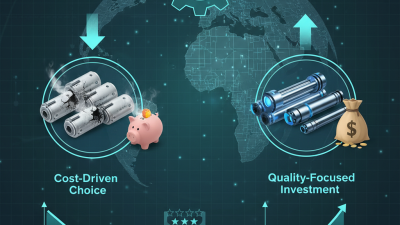
When considering upgrades, a cost-benefit analysis is crucial. Initial investment in premium parts may seem high. However, the long-term savings in materials and time can outweigh these expenses. A more efficient system reduces downtime. Fewer replacements of consumables can also lead to noticeable cost reductions.
Still, it's essential to evaluate your specific operational needs. Not every upgrade will suit every application. Some users might find certain components unnecessary. Therefore, reflecting on past experiences and current performance is vital for making informed decisions. Each component choice requires careful consideration.
Latest Innovations in Co2 Laser Technologies and Their Industry Impacts
The field of CO2 laser technologies has seen remarkable advancements recently. These innovations have significantly impacted various industries, enhancing efficiency and precision in laser cutting applications. New lens designs optimize beam focus, leading to cleaner cuts with reduced kerf width. Enhanced cooling systems ensure consistent performance during extended operations, improving overall output quality.
Another notable development is the integration of intelligent control systems. These systems adapt in real-time to varying material properties. This adaptability allows for less material waste and contributes to a more sustainable manufacturing process. Some operators, however, report a learning curve when adjusting to the new technology. The initial setup can be complex, highlighting the need for comprehensive training.
Moreover, developments in software for laser cutting have streamlined workflows. These systems enable seamless integration with design software, reducing the time from concept to production. However, some users have noted compatibility issues with older machinery. Ensuring infrastructural readiness before implementation is crucial. As industries continue to evolve, continual assessment of these technologies will be vital.