What is a Co2 Tube and How is it Used in Various Applications?
A CO2 tube is a vital component in various industrial and recreational applications. These tubes are designed to contain carbon dioxide gas under pressure. Their versatility allows them to be used in diverse fields, from medical devices to beverage carbonation.
In the scientific realm, a CO2 tube plays a crucial role in experiments. Researchers rely on these tubes to examine gas behaviors and reactions. In medical applications, CO2 tubes are integral for certain procedures, like laparoscopic surgeries, where carbon dioxide is used to inflate abdominal cavities.
Moreover, the beverage industry uses CO2 tubes to carbonate drinks. This process enhances flavor and preserves freshness. Despite their widespread use, issues can arise. For instance, improper handling of CO2 tubes can lead to safety hazards. It is important to always follow safety protocols when using them. Balancing efficiency and safety is essential in any application involving CO2 tubes.
What is a CO2 Tube? Definition and Structural Overview
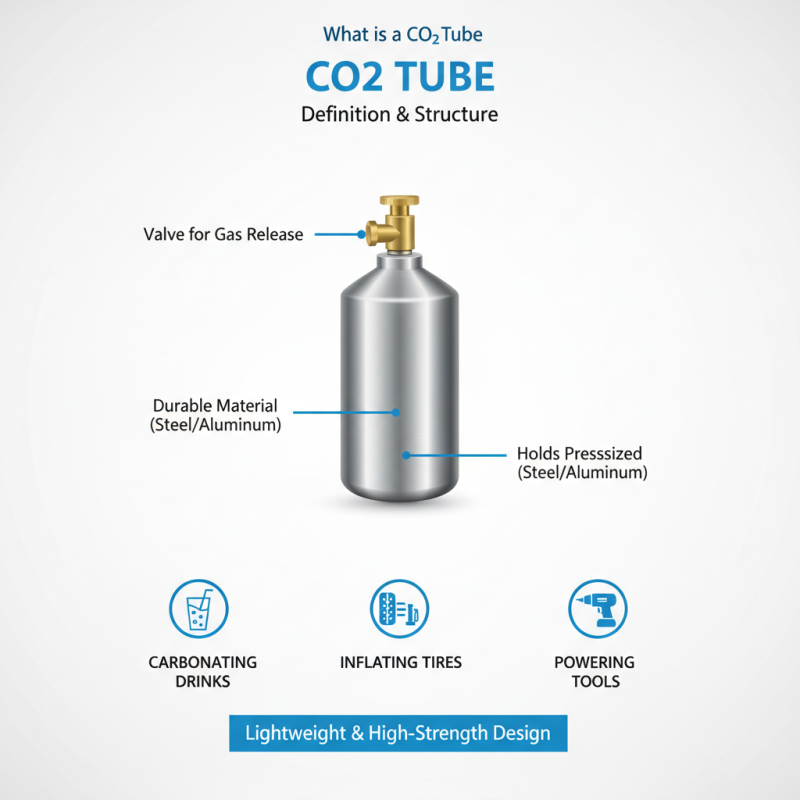
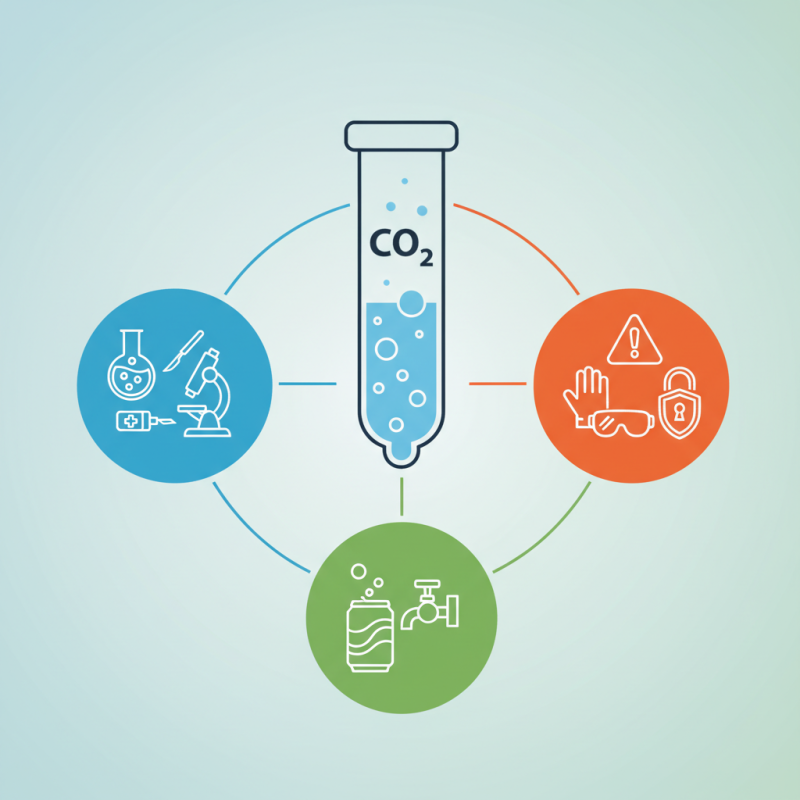
A CO2 tube is a container designed to hold carbon dioxide gas under pressure. Typically made from materials like steel or aluminum, these tubes are engineered to be both lightweight and durable. The structure often includes a valve for easy gas release. CO2 tubes are used in a variety of applications, such as in carbonating drinks, inflating tires, and powering certain tools.
Tips: When handling CO2 tubes, always check for leaks. A damaged tube can lead to dangerous situations. Ensure proper storage to avoid pressure buildup. Make sure that the area is well-ventilated to prevent gas accumulation.
In terms of safety, it's essential to understand the tube's limits. Overfilling a CO2 tube can result in catastrophic failure. Regular inspections can prevent potential hazards. Users must be trained on correct handling techniques to avoid accidents. This knowledge is key to safely utilizing CO2 tubes in various environments.
Common Materials Used in CO2 Tube Manufacturing
CO2 tubes are essential components in various applications, from medical devices to laser technologies. Their manufacturing relies on specific materials that ensure strength and functionality. Commonly, glass and metal are the primary materials used.
Glass, particularly borosilicate glass, provides excellent thermal resistance and durability. It can withstand high pressure, making it suitable for critical applications.
Stainless steel is another popular choice. It offers resistance to corrosion and is robust under a variety of conditions. Its smooth surface aids in maintaining the purity of the gases contained within the tubes. Each material has unique properties. For instance, while glass is fragile, it allows for precise observation of the gas flow. This can be a drawback in high-impact environments. Manufacturers must weigh these factors during the design process.
Another emerging material is certain polymers, which are lightweight and flexible. However, they often lack the structural integrity of glass or metal. This limitation raises questions about their long-term reliability. Thus, selecting the right material is not merely a technical decision; it involves considering the specific demands of each application. Understanding these nuances is critical for effective CO2 tube production.
Principle of Operation: How CO2 Tubes Work
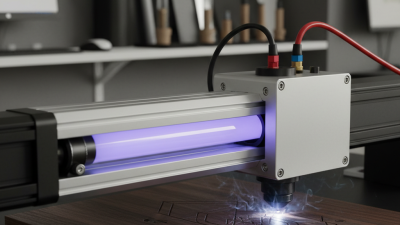
CO2 tubes are fascinating devices commonly used in various fields. Their operation is based on the principle of gas discharge. When a high voltage is applied, carbon dioxide gas inside the tube becomes ionized. This creates a path for electricity to flow. The result is a bright, glowing light, often seen in laser and signage applications.
The efficiency of CO2 tubes lies in their ability to produce a continuous beam of light. The light generated can be used for cutting, engraving, and even medical applications. In manufacturing, CO2 lasers excel due to their precision. They can cut through numerous materials, offering clean edges and intricate designs. However, these tubes require careful handling and proper settings for optimal performance.
Despite their advantages, CO2 tubes are not without flaws. They depend heavily on specific environmental conditions for efficiency. If the tube is exposed to dust or improper cooling, performance may degrade. Users must regularly check conditions to maintain output quality. This reflects the importance of understanding the technology beyond its surface benefits.
Key Applications of CO2 Tubes in Various Industries
CO2 tubes are versatile components used across various industries. Their applications range from medical devices to food packaging. In healthcare, CO2 tubes help deliver precise doses of carbon dioxide for treatments. This ensures patient safety and effective therapies. In the food industry, these tubes are crucial for maintaining freshness. They are used in modified atmosphere packaging to extend shelf life.
In beverage production, CO2 tubes are employed in carbonation processes. They provide the right amount of carbon dioxide, enhancing flavor and mouthfeel. This method is vital for sparkling water and sodas. Additionally, in the agricultural sector, CO2 tubes play a role in controlled environment farming. They create optimal conditions for plant growth, boosting yield.
Tips: When using CO2 tubes, check for leaks regularly. Even small leaks can lead to safety hazards or inefficiencies. Always ensure proper installation to avoid complications. Understanding the specific requirements of each application is essential for effective use. Not every setup is the same, so customizing your approach can lead to better results. Always keep up with the latest safety standards in your industry to ensure compliance.
What is a Co2 Tube and How is it Used in Various Applications? - Key Applications of CO2 Tubes in Various Industries
| Industry |
Application |
Description |
Benefits |
| Medical |
Laser Surgery |
CO2 lasers are used in surgical procedures for cutting and coagulating tissues. |
Minimal damage to surrounding tissues and reduced bleeding. |
| Manufacturing |
Laser Cutting |
High-speed cutting of materials such as metal, wood, and plastics. |
Precision cuts and lower production costs. |
| Food & Beverage |
Carbonation |
Used for adding carbonation to beverages and maintaining freshness. |
Enhances taste and extends shelf life. |
| Agriculture |
Greenhouse Enhancement |
Increases CO2 levels to boost plant growth in controlled environments. |
Increased crop yield and better quality produce. |
| Environmental |
Fire Extinguishing |
CO2 is used in fire extinguishers to suppress flames. |
Non-toxic and leaves no residue after use. |
Benefits and Limitations of Using CO2 Tubes
CO2 tubes have become increasingly popular in various applications, particularly in medical and industrial fields. One of their primary benefits is their ability to deliver precise doses of carbon dioxide. This precision is crucial for applications like respiratory therapy and calibration in various instruments. The consistent and controlled release of CO2 helps to ensure accuracy in experiments and patient care.
However, there are limitations to consider. CO2 tubes can be sensitive to temperature changes, which may affect their performance. Additionally, they require careful handling to prevent leaks. Users must also be aware of the potential for over-reliance on these tubes without understanding the underlying processes involved. Some applications might benefit from alternative solutions rather than using CO2 tubes exclusively.
The reliability of CO2 tubes is generally strong, but routine maintenance and checks are essential to ensure functionality. Engaging with industry experts can provide valuable insights on best practices for usage and maintenance. Users should also consider feedback from peers who have experience with CO2 tubes in various fields. By weighing both the benefits and limitations, users can make informed decisions about incorporating CO2 tubes into their work.