2026 How to Choose the Right Laser Engraver Tube for Your Projects?
In the world of engraving, choosing the right Laser Engraver Tube can significantly impact your project outcomes. James Anderson, an expert in laser technology, emphasizes this point, stating, "The right tube breathes life into your designs." Understanding the various types and specifications is crucial for achieving high-quality results.
Laser Engraver Tubes come in different power ratings, sizes, and technologies. Each choice affects engraving speed, material compatibility, and overall effectiveness. A decision made without proper research can lead to frustration and subpar results. Evaluating your project's specific needs and potential materials is important. Not every tube will suit every task, and mismatches can arise.
The laser engraving industry is rapidly evolving, with new technologies emerging regularly. As seen in recent exhibitions like the 2026 Canton Fair, advancements enhance functionality and efficiency. However, even with AI-driven solutions, the selection process can feel overwhelming. It requires careful consideration and a willingness to reflect on your choices to ensure optimal results.
Understanding Laser Engraver Tubes: Types and Applications
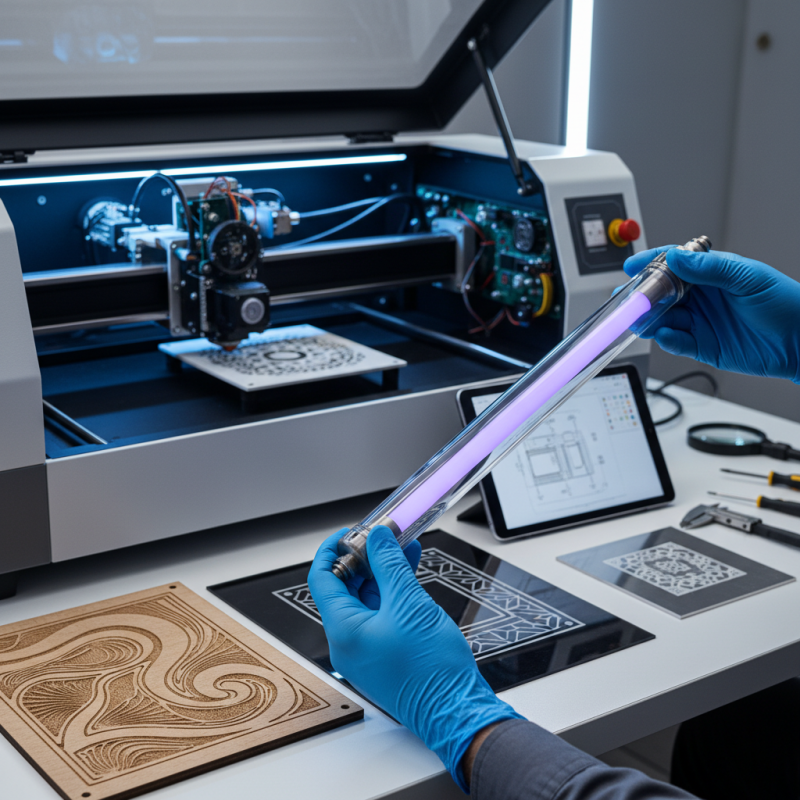
When choosing a laser engraver tube, understanding the types and applications is essential. There are different tube types available. Each one has its specific uses.
CO2 tubes are common for engraving wood and acrylic. They work well with organic materials, offering precision and speed.
Another type is fiber laser tubes. These are excellent for metals. They provide high-speed engraving and a long lifespan. However, they are typically
more expensive and require specific setups. You must consider this before making a purchase. Some users find the initial learning curve challenging.
Testing different materials helps in finding the right settings.
Maintaining the laser tube is crucial for longevity. Regular cleaning can prevent a drop in performance. Users often overlook this aspect. It's easy to forget until issues arise.
Proper care ensures consistent results over time. Balancing tube choice with project needs may not be straightforward. Testing and adjustments are part of the process.
Key Factors Influencing the Selection of Laser Engraver Tubes
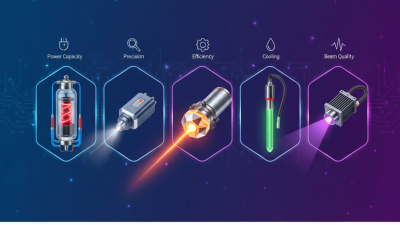
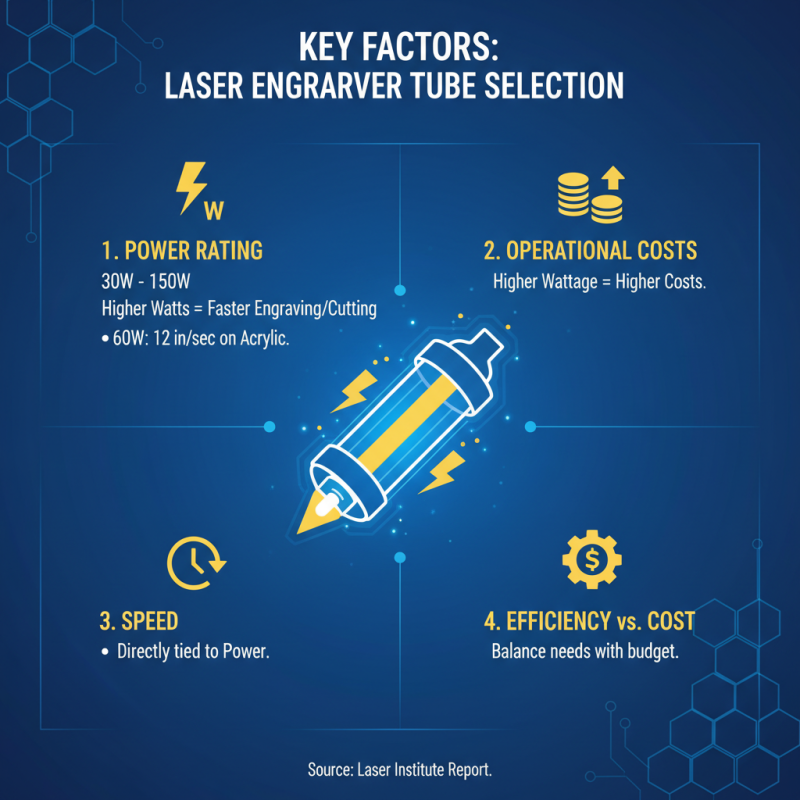
When selecting a laser engraver tube, several key factors come into play. The power rating is one of the most crucial aspects. Tubes typically range from 30W to 150W. Higher wattage means faster engraving and cutting. For example, according to a report from the Laser Institute, a 60W tube can efficiently engrave acrylic at a speed of 12 inches per second. However, higher wattage can lead to increased operational costs, which is an area to reflect on.
Tube lifespan is another important factor. Most CO2 laser tubes last between 1,000 to 3,000 hours. This range can affect long-term project planning. If you only engrave occasionally, a lower-cost tube may suffice. However, if you're running a business, investing in a higher-quality tube may prevent frequent replacements. A study by the International Society for Optics and Photonics highlights that businesses often report lower operational efficiency when using subpar tubes.
Cooling systems also significantly influence the choice. Effective cooling extends the life of your tube and improves engraving precision. Water-cooling systems are common, but they require more maintenance. Users must often weigh the pros and cons of maintenance time against engraving quality. A lack of proper cooling can lead to performance inconsistencies. This area merits careful consideration, as it can directly affect project outcomes.
Comparing Power Ratings: How Wattage Affects Engraving Performance
Choosing the right laser engraver tube starts with understanding wattage. The power rating directly influences the engraving performance. Higher wattage means deeper engravings and quicker job completion. For instance, a 40W tube might take longer on thick materials. In contrast, a 100W tube can cut through wood effortlessly.
However, more power isn't always better. It can lead to overheating or burning through delicate materials. A 60W tube may offer a balance for a variety of projects. When considering wattage, think about your specific needs. What materials will you use most often? Different projects demand different levels of precision and depth.
Engraving is an art, not a science. Many users struggle with power settings. Too high can ruin a piece; too low can waste time. Experimentation is key. Testing multiple settings on scrap materials helps refine your approach. It’s a journey of discovery, requiring patience and adjustment.
Material Compatibility: Choosing Tubes for Different Substrates
Choosing the right laser engraver tube can significantly impact your projects. Understanding material compatibility is essential. Not all tubes work well with every substrate. For instance, some tubes excel with wood, while others are better suited for acrylic. Knowing your material allows for better results.
When working with metal, specific tubes are necessary. These tubes might require more power. You will need to adjust settings accordingly. Additionally, some materials like glass need a different approach. Many beginners overlook this and face challenges. It is frustrating to go back and fix mistakes that could have been avoided.
Experimentation is vital in the learning process. Sometimes, you might find that a tube works well with an unexpected material. Documenting these experiences can help refine your technique. However, don’t expect to get it right every time. Mistakes happen, but they are opportunities to learn. Each project teaches valuable lessons about tube selection and material use.
Maintenance and Longevity: Ensuring Optimal Performance of Your Tube
Maintaining your laser engraver tube is crucial for optimal performance. Regular checks can help avoid unexpected issues. Inspect for signs of wear or damage. Look for discoloration or cracks on the tube surface. These imperfections can impact the laser's effectiveness. Small issues often lead to bigger problems if not addressed promptly.
Cleaning the lens is vital. Dust and residue can scatter the laser beam. Use appropriate cleaning products, ensuring no streaks remain. A dirty lens can affect precision and quality. Schedule routine maintenance to catch any problems early. It’s better to spend time now than deal with costly repairs later.
Longevity depends on usage and care. Avoid overworking the tube. Excessive heat can cause damage. Keep the working environment cool and clean. Remember, even the best tubes require attention. Reflect on your processes. Can they be improved? Regular upkeep is not just beneficial; it is necessary for sustained performance.
2026 How to Choose the Right Laser Engraver Tube for Your Projects? - Maintenance and Longevity: Ensuring Optimal Performance of Your Tube
| Tube Type |
Wattage |
Lifespan (Hours) |
Cooling Method |
Recommended Maintenance |
| Glass Tube |
40W |
2000 |
Water-Cooled |
Check water levels monthly |
| Glass Tube |
60W |
2500 |
Water-Cooled |
Inspect seals every six months |
| Metal Tube |
80W |
3500 |
Air-Cooled |
Clean lens weekly |
| Metal Tube |
100W |
4000 |
Air-Cooled |
Inspect cooling fan monthly |
| RF Tube |
150W |
10000 |
Water-Cooled |
Regularly check pressure levels |