10 Best Laser Cutting Techniques for Precision Engineering?
Laser Cutting has revolutionized precision engineering in recent years. This technique offers unmatched accuracy for various materials. Industries from automotive to aerospace benefit from its capabilities. However, mastering laser cutting requires understanding different techniques.
Many professionals still struggle to optimize their processes. They might overlook essential factors influencing the outcome. Key parameters include speed, power settings, and material selection. Each choice significantly impacts the cut's quality and efficiency. Thus, continuous learning in laser cutting is crucial.
Exploring the best laser cutting techniques can elevate engineering projects. By focusing on precision, engineers can reduce waste and improve production timelines. Embracing these methods leads to better outcomes. This guide will explore innovative techniques that drive success in precision engineering and laser cutting.
Overview of Laser Cutting Techniques in Precision Engineering
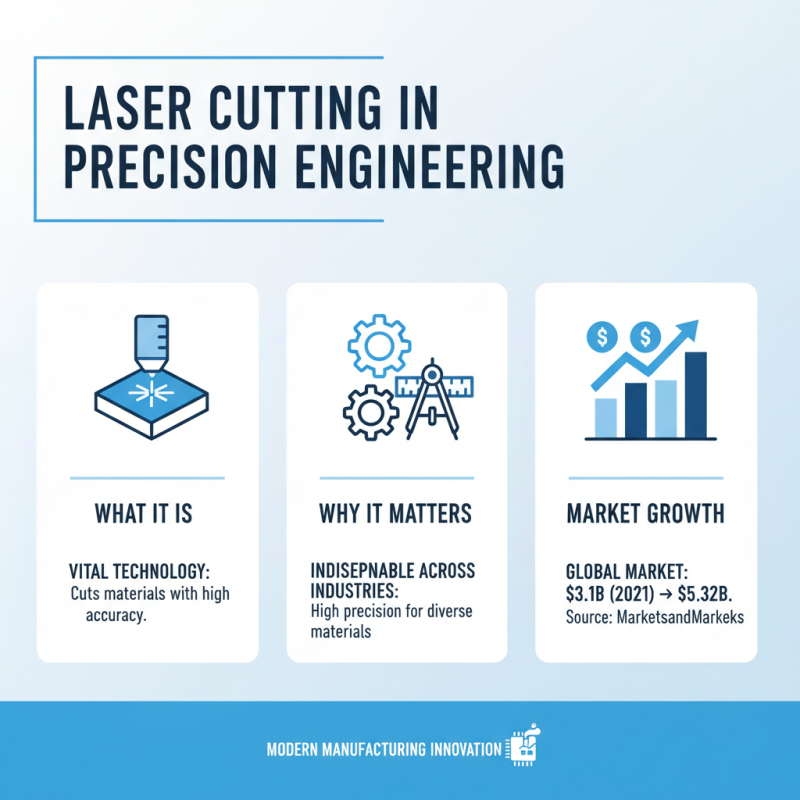
Laser cutting has evolved as a vital technology in precision engineering. Its ability to cut various materials with high accuracy makes it indispensable across industries. A study from MarketsandMarkets indicates that the global laser cutting market is projected to grow from $3.1 billion in 2021 to $5.3 billion by 2026. This growth underscores the relevance of laser cutting techniques in modern manufacturing.
Techniques like CO2 laser cutting and fiber laser cutting are at the forefront. CO2 lasers excel in cutting non-metal materials, yielding smooth edges and intricate designs. In contrast, fiber lasers provide exceptional precision for metal applications, achieving cutting speeds up to 60% faster than traditional methods. A report from Grand View Research highlights that these techniques ensure reduced material waste and lower operational costs, an encouraging trend in sustainable manufacturing.
However, challenges exist. Laser cutting requires skilled operators to optimize parameters like speed and power. Inadequate training can lead to inconsistencies in cut quality. Additionally, investments in laser cutting technology may be significant. Companies must weigh the costs against potential efficiencies. Embracing laser cutting requires a commitment to continual learning and adapting to evolving technology.
Key Factors Affecting Precision in Laser Cutting
In laser cutting, precision hinges on several key factors. The wavelength of the laser plays a vital role. Shorter wavelengths tend to cut through materials more effectively. Material thickness also impacts the cutting quality. Thicker materials require more power, which can lead to heat-affected zones. These heat zones can alter material properties, leading to potential weaknesses.
Another significant factor is the cutting speed. If the speed is too high, the cut might not be clean. Conversely, cutting too slowly can cause excessive heat. This heat can distort the cut edge. Moreover, the focus of the laser beam is crucial. An unfocused beam results in wider kerfs, compromising precision. Regular maintenance of equipment is essential to ensure optimal focus.
Air assist is another element worth considering. It helps clear away debris and cool the cutting area, enhancing precision. Yet, inconsistent air pressure might introduce variability in results. A skilled operator can adjust parameters based on the material and desired outcome. Experience in evaluating these factors contributes to successful laser cutting projects. Balancing these elements requires continuous learning and adjustment in real-world applications.
Comparison of CO2 and Fiber Laser Cutting Methods
When exploring laser cutting methods, CO2 and fiber lasers emerge as the primary options in precision engineering. CO2 lasers excel in cutting non-metals, including wood and plastics, and deliver a smooth edge finish. However, their ability to cut metals is limited compared to fiber lasers. Recent industry data shows that fiber lasers can cut through a wider range of materials at higher speeds due to their shorter wavelength. For example, fiber lasers can achieve cutting speeds up to 40% faster than CO2 lasers, especially for sheet metal.
Fiber lasers also demonstrate better energy efficiency. Reports indicate a 30% reduction in energy consumption compared to CO2 systems. This makes them a more sustainable choice for businesses. In terms of maintenance, fiber lasers require less upkeep than CO2 lasers, as they eliminate the need for mirrors and lenses. Yet, the initial investment for fiber technology can be higher, which may lead some companies to hesitate.
CO2 lasers remain a strong choice for specific applications. Their established technology is reliable, but manufacturers must reassess their needs regularly. Companies often face challenges balancing cost with desired capability. Engineering teams need to evaluate if a switch to fiber technology aligns with long-term goals. Ultimately, understanding the strengths and weaknesses of each method informs better decisions in production.
10 Best Laser Cutting Techniques for Precision Engineering
| Technique |
Laser Type |
Material Compatibility |
Max Thickness (mm) |
Precision (mm) |
Speed (m/min) |
| CO2 Laser Cutting |
CO2 |
Wood, Acrylic, Plastic |
20 |
0.1 |
3 |
| Fiber Laser Cutting |
Fiber |
Metal, Stainless Steel, Aluminum |
25 |
0.05 |
20 |
| Galvo Laser Cutting |
Fiber |
Plastic, Wood |
10 |
0.02 |
15 |
| Green Laser Cutting |
Green |
Glass, Ceramics |
5 |
0.1 |
10 |
| Hybrid Laser Cutting |
CO2 + Fiber |
Metal, Plastic |
30 |
0.1 |
25 |
| Ultrafast Laser Cutting |
Femtosecond |
Metals, Semiconductors |
0.1 |
0.005 |
5 |
Applications of Laser Cutting in Various Industries
Laser cutting technology has found extensive applications across diverse industries due to its precision and efficiency. In manufacturing, laser cutting facilitates the creation of intricate designs in various materials. It allows engineers to achieve high tolerances, making it ideal for components in the aerospace and automotive sectors. For instance, cutting parts with complex geometries becomes seamless, resulting in better functionality and reduced material waste.
In the fashion industry, laser cutting is revolutionizing the way clothing and accessories are designed. Designers can create unique patterns and textures that were once impossible to achieve. This technique adds an artistic flair to garments, helping brands stand out. However, it can be challenging to balance creativity with practicality. Ensuring that designs remain wearable while maintaining appeal requires careful consideration.
Tips: When using laser cutting, always test settings on scrap material first. This helps refine your approach and prevents costly errors. Be mindful of the material's properties, as different substrates react uniquely to heat. Stay updated with industry trends to adopt the latest techniques effectively.
Applications of Laser Cutting in Various Industries
Future Trends in Laser Cutting Technologies for Precision Engineering
Laser cutting technology continues to evolve, shaping the future of precision engineering. Recent advancements focus on enhancing speed and accuracy. Techniques such as fiber and CO2 lasers offer high precision, allowing for intricate designs with minimal waste. As industries demand more efficiency, adopting these technologies is crucial.
Automation plays a vital role in future trends. Integrating AI algorithms can optimize settings in real time, improving the cutting process. Data analytics helps engineers identify patterns and predict maintenance needs, reducing downtime. However, the complexity of these systems can pose challenges. Technical expertise is necessary to effectively implement them, which may lead to resource constraints for some companies.
Sustainability is another growing concern. The industry faces pressure to reduce carbon footprints. Innovations in energy efficiency are being explored. Yet, balancing productivity with environmental responsibility remains a challenge. As the laser cutting landscape changes, embracing new technologies while reflecting on these issues is essential for forward-thinking precision engineering.