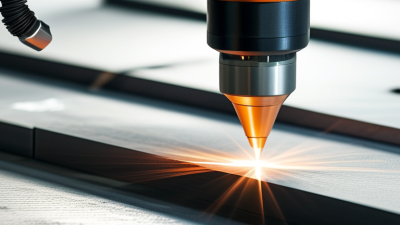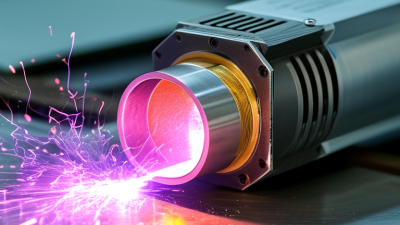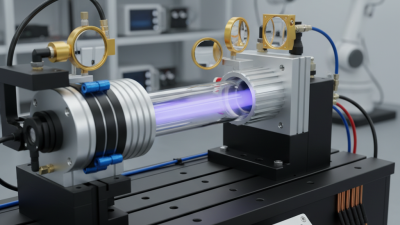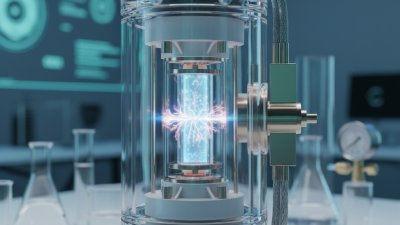
Choosing a reliable Co2 Tube supplier in 2026 requires more than comparing prices on a product page. Global buyers must examine tube lifespan, beam stability, cooling requirements, electrode design, warranty terms, and export experience. A supplier may promise 10,000 operating hours, yet poor water quality or weak packaging can shorten service life dramatically.
Industrial laser analyst David Belforte has often stressed, “Laser performance depends on the complete system, not one component.” That principle matters when evaluating Co2 Tube manufacturers. The tube works with mirrors, power supplies, cooling systems, controllers, and the machine frame. A low-cost tube can become expensive if it produces unstable output or causes repeated downtime.
This guide reviews the 2026 top Co2 Tube suppliers for international buyers. It considers manufacturing capability, technical documentation, testing procedures, customization, delivery reliability, and after-sales support. Practical details matter. Look for clear cathode specifications, tested output power, protective foam packaging, and responsive engineering assistance. Ask whether replacement parts are available in your region.
No supplier ranking is perfect. Buyer requirements differ, and published claims still need verification. A sample test is wiser than a confident promise. Before placing a large order, request performance records, inspection photos, and written warranty conditions. The strongest supplier is not always the cheapest one. It is the company that delivers consistent tubes, honest specifications, and useful support after payment.
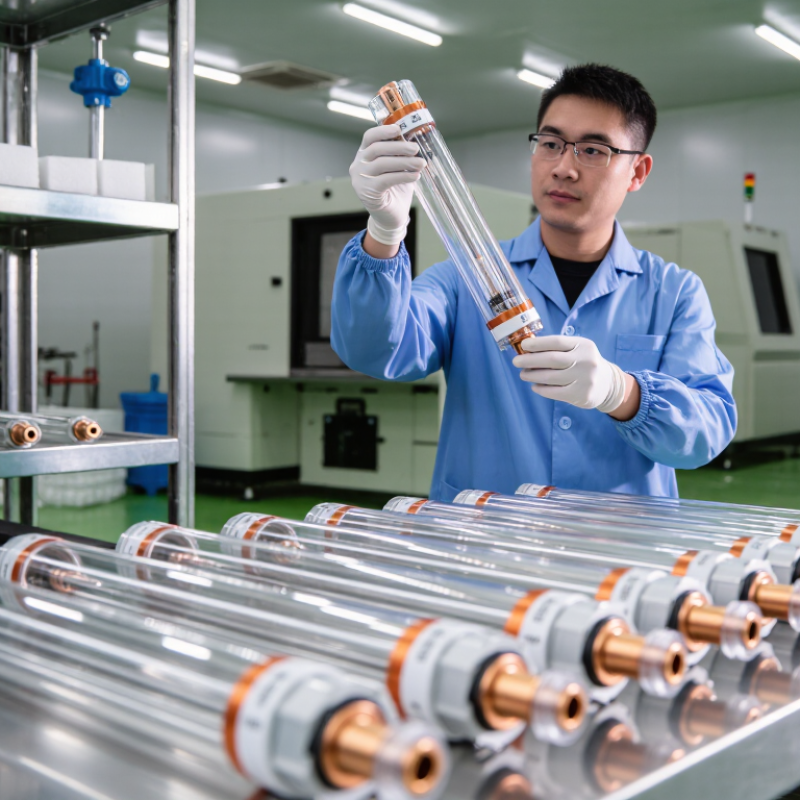
2026 Top CO2 Tube Suppliers for Global Buyers
What CO2 Tubes Are and How They Are Used
A CO2 tube is a sealed glass laser source filled with carbon dioxide, nitrogen, helium, and small amounts of other gases. Electrical discharge excites these gases and produces infrared light, commonly near 10.6 micrometers. Mirrors inside the tube direct that beam toward a cutting head or engraving lens. Water cooling remains essential because excessive heat shortens tube life and reduces output stability.
CO2 tubes process wood, acrylic, rubber, paper, fabric, and some coated metals. A 60-watt tube may handle detailed engraving, while higher-power tubes support faster cutting. Actual performance depends on lens focus, air assistance, material density, and alignment. The tube alone never determines machine productivity. That assumption causes expensive purchasing mistakes.
Grand View Research reports that the global laser cutting machine market was valued at approximately USD 5.7 billion in 2023, with continued growth expected through 2030. MarketsandMarkets also identifies industrial processing as a major laser technology application. These figures show expanding demand, but they do not guarantee equal tube quality across suppliers. Buyers should verify rated power, beam mode, cooling requirements, warranty terms, test records, and packaging protection. A practical receiving check includes inspecting electrode condition, measuring cooling-water flow, and comparing power output with the supplier’s specification. Small deviations matter. Even experienced technicians can overlook them.
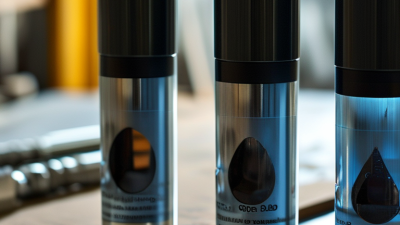
What CO2 Tubes Are and How They Are Used
Choosing a CO2 tube supplier in 2026 requires more than comparing wattage and price. Buyers should verify rated power, optical output, pulse stability, cooling requirements, and expected operating life. A reliable supplier should provide test records for every production batch. Ask for beam-mode results, leakage checks, electrode specifications, and serial-number traceability. Small paperwork gaps can become large maintenance problems.
The ISO Survey 2022 recorded 1,265,216 ISO 9001 certificates across 189 countries and economies. Certification is useful, but it does not prove consistent tube performance. I would also review failure-rate data, warranty exclusions, replacement procedures, and response times. The International Electrotechnical Commission’s IEC 60825-1 standard remains an important reference for laser safety classification. Suppliers should explain how their tubes support compliant equipment integration. A low quote may still be expensive. That shortcut is tempting, but wrong.
Tips: Request three recent test reports from the same model. Compare measured output, not only advertised wattage. Check whether the supplier controls gas filling, alignment, and final inspection internally. Ask for a sample inspection before volume purchasing. Also, examine packaging details, including foam protection, humidity control, and shock indicators. These details feel minor until a tube arrives damaged. I would not treat a polished catalogue as technical evidence. Live technical support and clear documentation deserve equal attention.
Global buyers need CO2 tube suppliers that combine stable production with clear technical support. The right supplier should explain tube length, output range, cooling requirements, electrode design, and expected service life. Ask for test records, not broad promises. A reliable supplier shares serial tracking, inspection results, and replacement guidance. In my experience, small alignment differences can affect cutting quality. That detail matters. It is easy to overlook.
Tips: Request a sample datasheet and a video of final testing. Confirm whether the tube matches your machine’s voltage, mounting points, and water connections. Review carton design, shock protection, and moisture control for long-distance shipping. Ask about warranty conditions and response times. Also, compare actual lead times with quoted lead times. They are not always equal.
Leading CO2 tube suppliers for global buyers should provide more than a low unit price. They should offer consistent batch performance, practical installation documents, and responsive after-sales communication. Look for suppliers who discuss failure causes honestly, including cooling errors, unstable power, and poor storage. That honesty signals experience. Still, no supplier is perfect. Buyers should verify claims through samples, independent measurements, and controlled trial orders. This approach reduces avoidable downtime and supports safer purchasing decisions across different markets.
2026 Top CO2 Tube Suppliers for Global Buyers
Quality starts with repeatable output, not polished product photos. For CO2 laser tubes, buyers should inspect beam stability, cooling-channel cleanliness, electrode alignment, and ignition performance. Ask for test reports from the same production batch. During supplier audits, I compare rejection rates, warranty data, and packaging damage records. Small gaps often reveal larger process weaknesses.
Pricing needs a landed-cost view. An attractive unit price may exclude reinforced cartons, replacement parts, testing, insurance, or import charges. Request tiered quotations by quantity, with clear minimum order quantities and payment terms. Warranty length matters, but response time matters more. A low-cost tube that waits six weeks for replacement can stop an entire workshop. That risk is easy to underestimate.
Certifications should match the product and destination market. Check certificate validity, issuing bodies, factory scope, and relevant safety documentation. ISO 9001 can support process control, while electrical and environmental declarations may address market requirements. Production capacity also deserves direct evidence. Review monthly output, furnace availability, aging-test equipment, skilled staffing, and peak-season lead times. Claims can be optimistic. A supplier may produce high volumes yet struggle with consistent cooling performance. Request recent capacity records, sample testing, and a small pilot order before committing to a larger contract.
2026 Top CO2 Tube Suppliers for Global Buyers
How to Select and Source the Right CO2 Tube Supplier
Choosing a CO2 laser tube supplier requires more than comparing online prices. Check the tube’s rated power, length, diameter, electrode design, and expected service life. These details must match your laser model and cutting workload. Ask for a current datasheet, batch test records, and clear operating limits.
A reliable supplier should explain cooling requirements in practical terms. For example, request the recommended water temperature, flow rate, and chiller capacity. Confirm whether the supplier tests output power before shipment. Photos of the serial label and final inspection can also reduce identification errors. Small details matter.
Packaging deserves equal attention. A long glass tube needs rigid foam protection, moisture control, and a shock indicator during international transport. Ask about replacement procedures for transit damage, warranty exclusions, and spare-part availability. Get delivery times in writing, including production and customs handling.
Communication reveals technical strength. A capable supplier asks about your machine model instead of sending a generic quotation. They should provide safe installation guidance without hiding limitations. A very low quote can look attractive, but it may reflect shorter testing or weaker packaging. I still find price comparisons useful, although they can distort the decision. Total cost includes downtime, rejected parts, shipping risk, and technician time. Request a sample or small trial order when possible. That imperfect step often exposes fit, power stability, and support quality before a larger purchase.
| Selection Dimension | Recommended Requirement | Relevant Technical Reference | Why It Matters | Supplier Verification Evidence |
|---|---|---|---|---|
| Tube Type | Select a sealed glass DC-excited CO2 laser tube for common engraving, cutting, and marking systems. | Sealed-off gas laser construction; application compatibility with the laser power supply. | Different tube designs require different electrical, optical, cooling, and mounting configurations. | Technical drawing, product datasheet, compatible power-supply list, and installation instructions. |
| Rated Optical Power | Match the rated output to the machine design; common desktop and light-industrial models typically range from approximately 40 W to 150 W. | Manufacturer-rated continuous optical output under specified test conditions. | Insufficient power reduces throughput, while excessive power may exceed the machine’s optics, motion system, or power supply limits. | Production test report showing measured output power and test conditions for each batch. |
| Beam Mode and Quality | Require stable beam quality suitable for the intended cutting or engraving resolution, with consistent performance across the rated operating range. | TEM mode description, beam divergence, and spot-size compatibility with the focusing lens. | Beam quality affects kerf width, engraving detail, cutting speed, and energy concentration. | Beam-profile data, divergence measurements, and sample-cut or sample-engraving results. |
| Electrical Compatibility | Confirm operating voltage, operating current, starting voltage, polarity, connector type, and power-supply compatibility before purchase. | Tube electrical operating envelope and power-supply specifications. | Electrical mismatch can cause unstable discharge, premature tube failure, or damage to the power supply. | Signed compatibility checklist, wiring diagram, and measured operating parameters. |
| Cooling Method | Use water cooling with controlled temperature and flow; a dedicated chiller is generally preferred for higher-power or continuous-duty applications. | Cooling-water temperature, flow rate, tubing size, and water-quality requirements stated by the supplier. | Excessive heat is a major cause of output decline, seal damage, and reduced service life. | Cooling specification sheet, recommended coolant procedure, and over-temperature protection guidance. |
| Tube Dimensions | Verify overall length, outer diameter, mounting points, water ports, high-voltage terminal position, and optical-window orientation. | Approved mechanical drawing with dimensional tolerances. | A dimensionally incompatible tube may not fit the machine or may place the beam outside the optical path. | 2D drawing, 3D model where available, and pre-shipment dimensional inspection report. |
| Optical Window | Require a clean, undamaged output window with correct material, angle, aperture, and anti-reflection treatment where specified. | CO2 laser wavelength is approximately 10.6 μm; window material and coating must be suitable for that wavelength. | Window contamination or unsuitable transmission characteristics can reduce power and cause thermal damage. | Optical inspection record, cleanliness standard, coating specification, and protective-cap procedure. |
| Expected Service Life | Evaluate service-life claims under defined duty cycle, cooling temperature, current, and maintenance conditions rather than relying on a single headline number. | Accelerated-life or historical failure data with clearly stated test conditions. | Actual life varies significantly with operating current, thermal control, firing frequency, and handling. | Anonymized field-failure statistics, warranty-return rate, and defined end-of-life criteria. |
| Quality Management | Prefer documented process control for glass sealing, gas filling, electrode assembly, optical inspection, and final testing. | ISO 9001 certification is a useful quality-system reference but does not replace product testing. | Controlled manufacturing processes improve consistency between batches. | Valid certificate, process flow chart, inspection plan, calibration records, and corrective-action procedure. |
| Safety and Compliance | Request product safety documentation and confirm compliance obligations for the destination market and complete laser system. | IEC 60825-1 applies to laser product safety; other requirements may apply to the complete machine and electrical assembly. | A laser tube is only one component of the final regulated equipment. | Declaration of conformity where applicable, safety data, hazard labels, and installation warnings. |
| Sample and Qualification Process | Purchase samples from shortlisted sources and test them in the target machine before approving a production order. | Incoming inspection plan covering output power, beam alignment, dimensions, leakage, and electrical behavior. | Bench data alone may not reveal compatibility problems in the actual machine. | Sample approval record, acceptance criteria, test-cut results, and nonconformance process. |
| Packaging and Export Protection | Require shock-resistant packaging, moisture protection, protective caps, visible orientation markings, and suitable export labeling. | Fragile-glass packaging practice and destination-country import requirements. | Improper packaging can cause hidden cracks, misalignment, or water-port damage during transport. | Packaging specification, drop or vibration test method, carton photographs, and shipping-inspection checklist. |
| Lead Time and Capacity | Assess standard-stock availability separately from custom production; require written production and inspection milestones for repeat orders. | Purchase-order schedule, capacity plan, and agreed delivery terms under Incoterms® rules. | A low unit price does not compensate for production delays or inconsistent replenishment. | Recent on-time-delivery data, confirmed capacity, production schedule, and escalation contact. |
| Warranty and After-Sales Support | Require a written warranty defining coverage, exclusions, claim evidence, response time, replacement policy, and shipping responsibility. | Contractual warranty terms and documented return-material authorization procedure. | Clear remedies reduce the commercial risk of early failure or transit damage. | Sample warranty, claim workflow, technical-support response target, and spare-parts policy. |
| Total Landed Cost | Compare tube price, compatible power-supply requirements, packaging, freight, duties, inspection, warranty exposure, and replacement frequency. | Quotation under a clearly defined Incoterms® rule, currency, quantity, and delivery destination. | The lowest quoted price may produce a higher total cost after freight, failures, and downtime. | Itemized quotation, tariff classification information, freight estimate, and five-year cost comparison. |