2026 How to Use Galvo Mirror Laser for Precision Machining?
The rapid advancements in precision machining highlight the importance of innovative technologies. One such technology is the Galvo Mirror Laser. With its ability to achieve high accuracy at impressive speeds, it has become indispensable in various industries. According to market research, the demand for laser machining solutions is expected to grow by 7% annually through 2026. This growth indicates a shift towards more efficient and precise manufacturing processes.
Galvo Mirror Lasers stand out due to their unique operational mechanism. They utilize galvanometer technology to control laser beams with exceptional responsiveness. However, achieving the perfect balance of speed and precision can be challenging. Not all setups yield the desired outcomes. Machinists must carefully consider factors like material type and thickness. Errors in calculations may lead to inconsistent results, prompting a reevaluation of techniques used.
In this landscape, there is a need for continuous improvement and learning. As industries adopt Galvo Mirror Lasers, practitioners often face a steep learning curve. Experiences may vary, and some might find initial challenges daunting. These realities underline the necessity for training and adaptation in an ever-evolving manufacturing environment.
Understanding Galvo Mirror Technology in Laser Machining
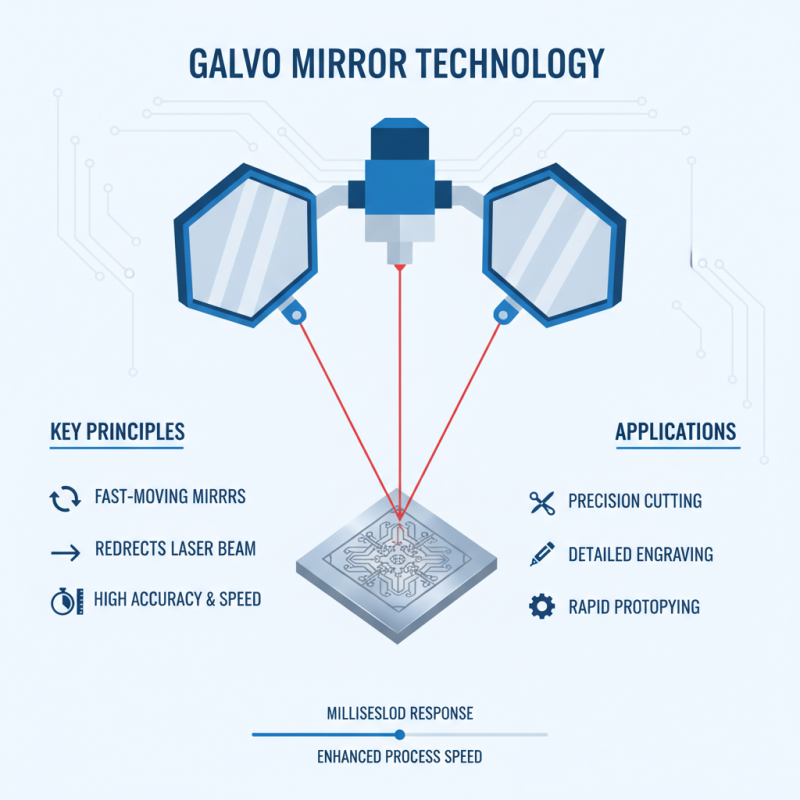
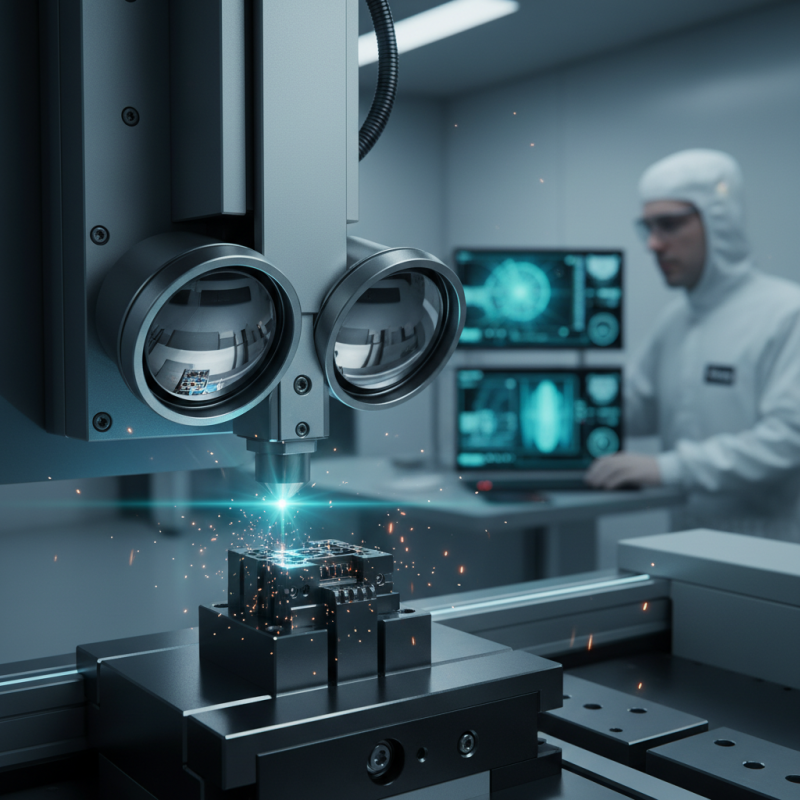
Galvo mirror technology plays a pivotal role in precision machining with lasers. It utilizes fast-moving mirrors to redirect the laser beam with high accuracy. This method allows for rapid and precise movements, essential for detailed engraving and cutting tasks. The mirrors can respond in milliseconds, enhancing the speed of the machining process.
One of the key advantages of galvo mirrors is their ability to maintain focus over large work areas. This feature minimizes the distortion of the laser beam, improving the quality of the finish. However, achieving optimal alignment can be challenging. Misalignment can lead to inaccuracies in the final product. Regular calibration is necessary to ensure precision.
Despite the advantages, there can be limitations. The complexity of galvo systems may require specialized training. New users might find the initial setup daunting. Additionally, the high speed of the mirrors can sometimes lead to unintended effects, like overshooting the target area. These factors necessitate careful planning and testing to maximize efficacy.
Principles of Precision Machining using Laser Systems
Precision machining using laser systems has transformed the manufacturing landscape. It relies on controlled laser beams to achieve high levels of accuracy. The utilization of galvo mirrors enhances the process, enabling quick adjustments along the X and Y axes. This capability is crucial for intricate designs.
Understanding the principles behind laser systems is vital. Lasers focus light energy into a small point, allowing for minimal heat-affected zones. Precision is paramount in machining, where even minor errors can lead to significant flaws. A common issue in laser machining is maintaining consistent beam quality. Any variance can affect the outcome, leading to rework or scrap.
Operators must pay attention to several factors. Material properties significantly influence results. Each material reacts differently to laser energy. Reflectivity, absorption, and thickness all impact the laser's effectiveness. Failure to account for these variables can lead to subpar results. Continuous learning and adaptation in approach are necessary to overcome these challenges.
Steps to Set Up a Galvo Mirror Laser for Optimal Performance
Setting up a galvo mirror laser is essential for achieving precision in machining tasks. Begin by selecting a stable surface for your laser system. Ensure the area is free from vibrations and disruptions. This will enhance the laser's accuracy during operation. Properly calibrate the system to align the mirrors accurately. Misalignment can lead to inconsistent results.
Tips: Always check mirror cleanliness. Dust and debris can hinder performance. Regular maintenance is necessary to keep the mirrors in optimal shape.
Next, configure the software settings. Input the correct parameters for your specific application. Pay attention to speed and power settings. Inappropriate settings may result in over- or under-cutting materials. Always run a test cut before commencing your project. This helps identify any necessary adjustments.
Tips: Keep a log of your settings. It's a useful reference for future projects. If results are unsatisfactory, consider varying the parameters slightly. Experimentation often leads to improvement.
Finally, observe the laser during operation. Watch for any unexpected behaviors, like inconsistent engraving quality. Address any issues immediately to avoid further complications. Remember, continuous learning and adjustments can significantly enhance your outcomes.
2026 How to Use Galvo Mirror Laser for Precision Machining? - Steps to Set Up a Galvo Mirror Laser for Optimal Performance
| Step |
Description |
Tools Required |
Duration |
| 1 |
Select appropriate galvo mirror laser model based on material. |
Laser model specifications |
30 minutes |
| 2 |
Install the laser and ensure proper alignment with workpiece. |
Mounting tools, alignment tools |
1 hour |
| 3 |
Set up software for laser control and configure parameters. |
Computer, control software |
45 minutes |
| 4 |
Test the laser on a scrap piece to calibrate settings. |
Scrap materials, safety gear |
30 minutes |
| 5 |
Start production and monitor performance regularly. |
Monitoring tools |
Ongoing |
Techniques for Achieving High Precision in Laser Machining
Precision in laser machining relies heavily on techniques that enhance accuracy. Using a galvo mirror laser can significantly improve the performance of machining tasks. These lasers offer rapid movement and high precision by reflecting beams off mirrors. The placement of mirrors affects the overall quality of the cut. Any misalignment can lead to flaws.
Implementing proper calibration techniques is critical. Regular checks can help maintain accuracy. Operators must understand the system's limits. A minor miscalculation may result in subpar outcomes. Quality must be evaluated continuously throughout the process. Attention to detail is essential. Fine-tuning laser settings based on materials is necessary.
Utilizing software for simulation can also aid in achieving precision. Programs can optimize paths and reduce common errors. Nonetheless, the software may require adjustments based on real-world conditions. Operators should remain adaptable, ready to rethink strategies to maintain quality. Experimentation remains a vital part of developing effective techniques. The challenges in precision machining can often lead to innovative solutions.
Common Applications and Benefits of Galvo Mirror Lasers
Galvo mirror lasers are revolutionizing precision machining. These systems utilize mirrors to direct laser beams with exceptional speed and accuracy. This technology is gaining traction across various industries, enhancing cutting, engraving, and marking processes. Galvo mirrors enable precise, repeatable movements. They achieve intricate designs on materials with minimal waste. This precision leads to faster production cycles.
One common application is in electronics. Manufacturers use galvo mirrors for laser engraving circuit boards. The capability to engrave fine details significantly improves product reliability. Automotive industries benefit as well. Laser cutting components with high precision reduces fitting issues. This technology is making its mark on medical devices too. Intricate patterns on small instruments require accuracy that galvo lasers provide.
Despite their advantages, challenges exist with galvo mirror lasers. Setup can be complex, requiring skilled operators. Adjusting parameters for different materials takes time and experimentation. Not every operator can achieve the same results, leading to variability in production. Continuous learning is essential to fully harness their potential. As industries evolve, so will the need for refined techniques and better training.