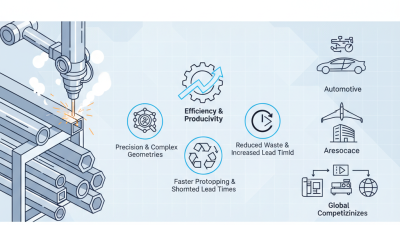
Top 5 Tube Laser Tips for Efficient Metal Cutting Solutions?
In the realm of modern metal fabrication, Tube Laser technology stands out for its precision and efficiency. This method has transformed how industries approach metal cutting. Utilizing high-powered lasers, Tube Laser systems effectively cut various materials with remarkable accuracy. However, there are nuances that can significantly impact performance.
To harness the full potential of Tube Laser cutting, understanding its best practices is crucial. Efficient operation relies on factors such as material type, laser settings, and maintenance protocols. Selecting the right parameters can reduce waste and enhance productivity. Yet, many overlook the importance of regular equipment check-ups, which can lead to unexpected downtime.
The landscape of metal cutting is evolving rapidly. Companies that adapt to the latest Tube Laser techniques can gain a competitive edge. Still, it is essential to address the challenges that come with this technology. Embracing a mindset of continuous improvement can pave the way for better outcomes in metal cutting processes.

Understanding Tube Laser Technology for Metal Cutting
Tube laser technology has revolutionized metal cutting. It offers precision and efficiency that traditional methods often can't match. The ability to cut complex shapes and intricate designs is a game-changer for industries like automotive and aerospace.
When using tube lasers, understanding the process is crucial. Laser cutting works by focusing a high-powered beam onto the material. This concentration of energy melts, burns, or vaporizes the metal. The settings need to be carefully calibrated. Even slight adjustments can impact the quality of the cut. It's essential to monitor factors like gas pressure and feed rate to achieve the best results.
The technology isn’t without challenges. Operators must be trained to manage equipment properly. Learning curves exist, and different materials react differently to laser cutting. Mistakes can lead to waste and inefficiency. Continuous education is needed to keep up with advancements and maintain high standards. Balancing quality with speed remains an ongoing conversation in the field.
Top 5 Tube Laser Tips for Efficient Metal Cutting Solutions
Key Factors Influencing Tube Laser Efficiency
When considering tube laser efficiency, several key factors come into play. The power of the laser directly affects cutting speed and quality. Higher wattage often results in faster cuts but can increase costs. Understanding the right balance is essential for achieving optimal performance without overspending.
Material type is another critical aspect. Different metals react variably to laser cutting. Thicker materials may require more power, altering the cutting strategy. Properly selecting the material can enhance efficiency. Another factor is the design of the tube itself. Complicated geometries may slow down cutting speed, requiring adjustments in the laser path. Simplifying designs can lead to noticeable improvements in processing time and accuracy.
Lastly, operator skill and machine maintenance are vital to tube laser efficiency. Skilled operators can optimize settings for various materials and conditions. Regular maintenance keeps machines in top shape, reducing downtime and errors. Awareness of these elements can significantly influence the overall success of metal cutting solutions.
Best Practices for Optimizing Tube Laser Performance
Optimizing tube laser performance begins with understanding your specific cutting needs. Assess the material type, thickness, and dimensions before setting the machine. Make sure to use the right cutting parameters for each job. Incorrect settings can lead to poor cuts and increased waste. Fine-tuning speed and power is crucial, especially for thicker tubes, where energy consumption can spike.
Regular maintenance is another key factor. Ensure the lens and mirrors are clean. Dirty optics can affect beam quality, resulting in subpar cuts. Check the alignment frequently to avoid unnecessary errors. Even a slight misalignment can lead to significant issues over time. Keeping your machine well-calibrated helps enhance productivity.
Training operators is equally important. Skilled users can quickly identify when a machine isn't performing at its best. They can troubleshoot minor issues before they escalate. Encouraging open communication about machine performance can foster a culture of improvement. Everyone involved should feel empowered to suggest changes that could enhance efficiency.
Selecting the Right Material for Tube Laser Cutting
When selecting materials for tube laser cutting, it is essential to consider various factors. The type of metal significantly impacts both the cutting process and the final results. Common materials include steel, aluminum, and stainless steel, each presenting unique challenges. For example, carbon steel is easier to cut but may require different settings than stainless steel, which has a higher reflectivity.
Thickness matters too. Thinner materials can be cut faster, but they might warp under heat. Conversely, thicker materials need more power, often leading to increased cutting time. Understanding the material's properties helps in adjusting the laser settings effectively. Moreover, surface finish is crucial. A rough surface can lead to poor cuts, while smoother finishes yield better results.
Finally, compatibility with the laser system is vital. Not all lasers handle every material well. Testing different combinations can provide valuable insights. Some results may not meet expectations initially, leading to trial and error. Keep in mind, what works for one project may not work for another, revealing the need for continuous learning and adaptation in metal cutting processes.
Maintenance Tips to Enhance Tube Laser Lifespan
Maintenance is crucial for extending the life of your tube laser. Regular cleaning helps ensure optimal performance. Dust and metal shavings can build up, impacting the cutting quality. Create a routine schedule for cleaning the lens and mirrors. Replace damaged components promptly to avoid further issues.
Cooling systems play a key role in maintenance. An efficient cooling system prevents overheating during operation. Monitor fluid levels regularly. Replace the coolant as recommended to maintain efficiency. Insufficient coolant can lead to premature wear and costly repairs.
Train your team on proper machine operation. Misuse can cause significant damage. Create clear guidelines for safe usage and maintenance practices. Encourage employees to report any irregularities. This proactive approach helps catch issues early, saving time and resources in the long run. Regularly reviewing these practices is essential for continual improvement.
Top 5 Tube Laser Tips for Efficient Metal Cutting Solutions
| Tip |
Description |
Benefits |
Maintenance Frequency |
| Regular Cleaning |
Ensure the laser optics and cutting area are free from debris. |
Improves cutting quality and prevents damage. |
Daily |
| Calibration Checks |
Regularly check alignment and calibration of the laser. |
Ensures accuracy in cutting precision. |
Weekly |
| Optimize Cutting Parameters |
Adjust speed, power, and gas flow for material type. |
Reduces material waste and enhances efficiency. |
Before each job |
| Regular Software Updates |
Keep software current to utilize new features. |
Improves performance and adds new capabilities. |
Monthly |
| Inspect and Replace Consumables |
Regularly check and replace lenses and nozzles. |
Maintains optimal cutting quality and machine life. |
Quarterly |