China Top 10 Tube Laser Manufacturers in 2026?
China’s Tube Laser industry is entering a more demanding phase in 2026. Buyers now assess more than cutting speed and laser power. They examine automation, tube-length accuracy, software integration, service response, and long-term operating costs.
Grand View Research valued the global laser cutting machine market at approximately USD 7 billion in 2023. Its 2024 analysis also identified automation and advanced fiber-laser systems as major growth drivers. MarketsandMarkets reported similar momentum, forecasting continued expansion through 2028. These figures describe the wider market, not China’s tube segment alone. That distinction matters.
A Tube Laser can look impressive on a showroom floor. Real performance appears when it cuts thin stainless steel, heavy square tube, and mixed profiles during the same shift. A small burr, unstable chuck, or delayed spare part can quickly reduce productivity. As laser-processing specialist Dr. Thomas Schneider has noted, “The best laser process is the one that remains stable from the first part to the last.”
That principle guides this ranking of China’s top ten Tube Laser manufacturers in 2026. The selection considers machine capability, cutting accuracy, automation, software, customer experience, export performance, and technical support. It also recognizes an uncomfortable limitation: public data is uneven, and company claims are not always directly comparable. Some manufacturers excel in high-volume factories. Others offer stronger value for smaller workshops.
No ranking is perfect. It should be questioned. Readers should verify specifications, inspect sample cuts, and request references before purchasing. A reliable decision begins with evidence, not the brightest brochure.
China’s Top 10 Tube Laser Manufacturers in 2026
China’s Top 10 Tube Laser Manufacturers in 2026 should be assessed by performance, not advertising alone. A reliable shortlist needs verifiable factory data, service records, and consistent customer feedback. Buyers should compare cutting accuracy, machine stability, software usability, and delivery capability. These factors matter more than impressive showroom demonstrations.
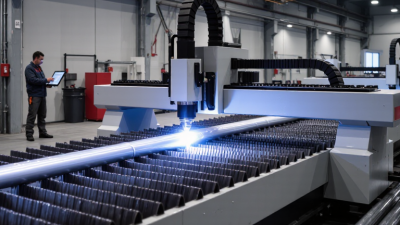
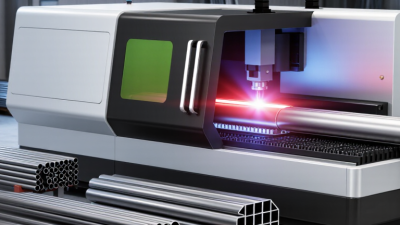
The leading ten manufacturers typically offer fiber tube laser systems for steel, stainless steel, aluminum, and copper. Important specifications include tube diameter, wall thickness, chuck design, rotary-axis precision, and automatic loading. A practical test should examine a 6-meter steel tube, small holes, angled cuts, and repeated production cycles. Inspectors should also measure kerf quality and edge heat marks.
After-sales support separates serious suppliers from weaker competitors. Ask about installation, operator training, spare parts, remote diagnosis, and response times. Public certifications can support credibility, but they cannot replace production evidence. Numbers can mislead. Some published cutting speeds depend on ideal material, fresh consumables, and generous tolerances. A careful buyer should request sample reports and speak with existing users. No ranking is perfect. Market conditions, component availability, and engineering updates may change results during 2026. Manufacturers that document limitations openly often deserve greater trust than those promising flawless performance.
China’s Top 10 Tube Laser Manufacturers in 2026
This benchmark compares the maximum round-tube diameter commonly advertised across leading Chinese tube laser manufacturing segments. The values reflect typical published machine specifications, while the ranking positions are anonymized and do not represent company names or market share.
How the Leading Chinese Tube Laser Manufacturers Are Evaluated
China Top 10 Tube Laser Manufacturers in 2026?
Evaluating leading Chinese tube laser manufacturers requires more than comparing cutting speed. MarketsandMarkets reports continued expansion in the global laser cutting machine market through 2029, driven by automation and metal fabrication demand. This growth raises competition, but also creates inconsistent claims. A serious evaluation begins with factory experience, engineering depth, and traceable production records. Buyers should inspect weld quality, cable routing, guarding, and the machine’s actual cutting results. A polished demonstration can mislead.
Performance must be measured under repeatable conditions. Reviewers should test round, square, and rectangular tubes with different wall thicknesses. Key evidence includes positional accuracy, beam stability, piercing time, chuck alignment, and continuous operating hours. ISO 230-2 provides a useful reference for positioning accuracy tests. Service capacity also matters. Check spare-part availability, remote diagnostics, training, and documented response times. Reports from the International Federation of Robotics show rising industrial automation adoption, making software integration increasingly important. Yet software promises are often less reliable than hands-on trials.
Tips: Request a sample-cut report, not only a showroom video. Ask for data from independent inspections. Compare three-month operating costs, including gas, lenses, maintenance, and energy. Consider warranty exclusions carefully. Some evaluations still overvalue maximum speed and undervalue operator training. That weakness deserves correction. A dependable manufacturer should disclose limitations, testing conditions, and expected tolerances. Reliability is built through evidence, not confident language.
Core Technologies and Product Types Offered by Chinese Manufacturers
Chinese tube laser manufacturers in 2026 are competing through motion control, beam delivery, and production software. In factory evaluations, fiber sources remain the dominant choice for carbon steel, stainless steel, aluminum, and copper tube. Power ranges commonly span compact 1.5 kW systems to high-power platforms above 6 kW. The right level depends on wall thickness, heat input, and hourly workload.
More power is not always better. This is often misunderstood.
Core machines use servo-driven axes, linear guides, and rotary chucks that keep long tubes stable during acceleration. Automatic centering reduces setup time, while autofocus heads adjust the focal position across different diameters. Advanced controllers support piercing control, remnant management, collision protection, and nesting for round, square, rectangular, and channel profiles. Some systems cut angled ends, slots, holes, and weld-preparation features. Software compatibility matters. A fast machine can still lose productivity when drawings require manual repair.
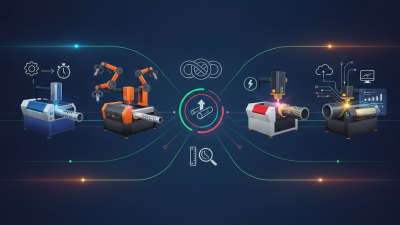
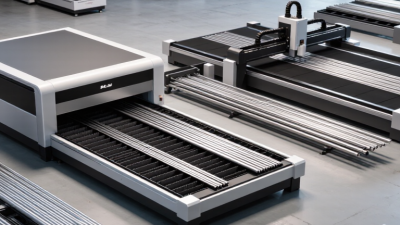
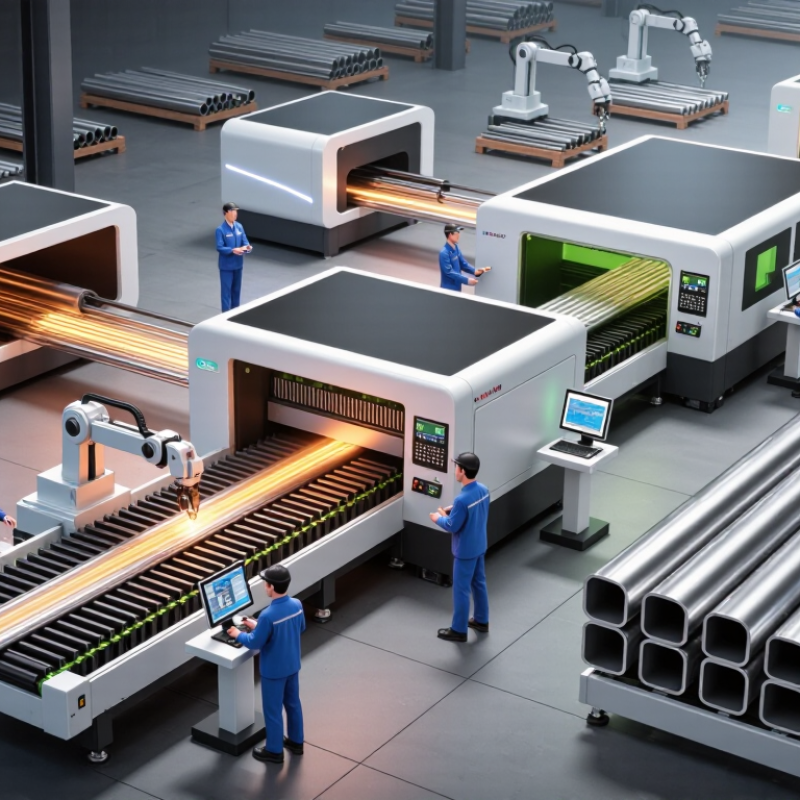
Product offerings range from entry-level tube cutters to combined sheet-and-tube platforms, heavy-duty lines, and automated loading cells. Bundled systems may include storage racks, unloading conveyors, barcode tracking, and robotic sorting. During technical checks, buyers should verify repeatability, chuck clamping marks, assist-gas stability, and service response times. Published accuracy figures need real samples. Ask for test cuts. Chinese manufacturers have improved integration and value, yet quality consistency can differ between models and factories. Independent acceptance testing remains sensible, especially for thin-wall tubing and complex profiles.
Industry Applications and Market Strengths of the Top Companies
China’s top ten tube laser manufacturers in 2026 are competing across automotive, steel furniture, construction, agriculture, and fitness equipment. Their strongest advantage is application depth. Many suppliers combine tube loading, automatic chuck control, bevel cutting, and production monitoring in one line. This matters when a factory processes square tubes beside round pipes. A machine that saves setup time can protect margins during small-batch orders.
The International Federation of Robotics reported 541,302 industrial robots installed worldwide in 2023. China accounted for about 51% of that total, showing a strong automation ecosystem. This supports local laser manufacturers with easier access to robotic loading, sensors, and control-system engineers. Industry forecasts from Grand View Research also identify rising demand for automated metal-cutting equipment through the decade. Energy use remains important. Fiber sources generally require less maintenance than older cutting technologies, although actual savings depend on thickness, duty cycle, and operator skill. Numbers can mislead.
Market strength also appears in export service, spare-parts availability, and process testing. Leading manufacturers often demonstrate cutting results on 6-meter tubes, with visible attention to hole alignment and edge quality. Their systems serve truck frames, solar structures, rail components, and warehouse racks. However, some rankings rely heavily on shipment claims or online visibility. That is imperfect. Buyers should verify installed machines, cutting samples, response times, and long-term accuracy before treating any top-ten list as decisive.
How to Choose the Right Chinese Tube Laser Manufacturer
Choosing the right Chinese tube laser manufacturer requires more than comparing prices.
Grand View Research estimates that the global laser cutting machine market will grow strongly through 2030, driven by automation and efficient material use. This growth attracts capable suppliers, but also inexperienced factories. Check whether the manufacturer builds key systems in-house or only assembles imported parts. Request cutting samples using your actual steel grade, tube diameter, wall thickness, and production speed.
A reliable supplier should provide traceable test records, machine accuracy data, installation procedures, and operator training. Ask for references from factories with similar workloads.
The International Federation of Robotics reported 541,302 industrial robots installed worldwide in 2023.
This figure shows how quickly automated production is expanding. However, automation does not guarantee quality. A fast machine with poor calibration can create expensive scrap. Review positioning accuracy, repeatability, laser source life, software compatibility, and after-sales response times. Warranty language deserves careful reading. Vague promises can become costly later.
Tips:
Compare total ownership cost, not only the purchase price. Include power use, replacement optics, maintenance, training, shipping, and downtime. Ask for a live video test before payment. A small hesitation here is healthy. Some buyers focus too heavily on cutting speed and overlook loading safety, ventilation, and local service capability. Request a written acceptance test with measurable tolerances, sample parts, and delivery milestones. Industry forecasts are useful, but your own material trials should make the final decision.