What is a Laser Tube and How Does It Work?
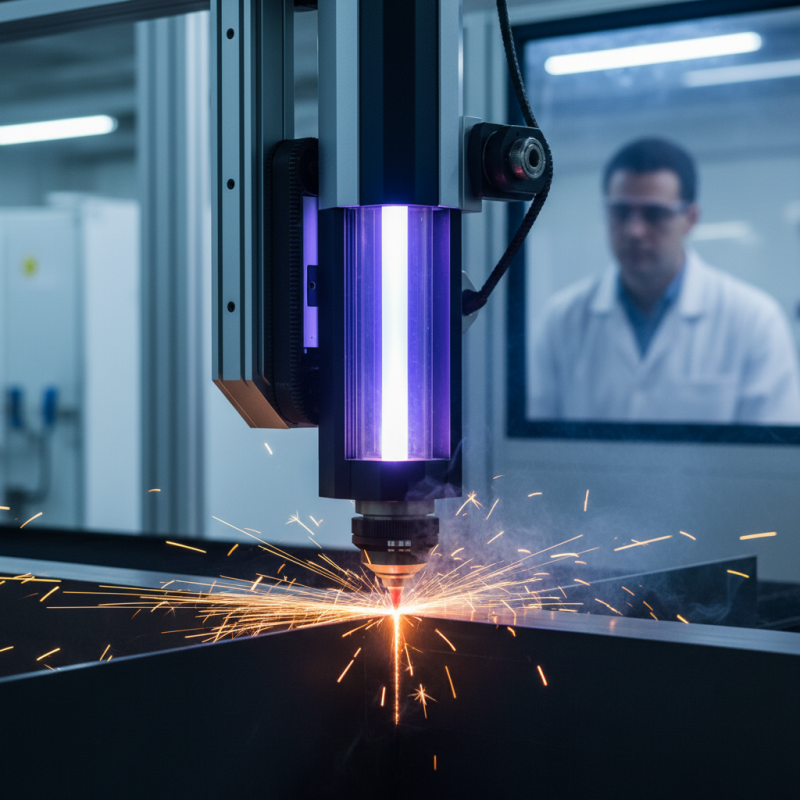
Laser tubes are essential components in cutting and engraving applications. They utilize focused light energy to produce precise cuts in various materials. According to a market report by ResearchAndMarkets, the global laser tube market is expected to grow at a CAGR of 7.5% from 2023 to 2028.
Dr. Emily Patterson, a leading expert in laser technology, states, "The innovation in laser tube design is driving efficiency and accuracy in manufacturing." This innovation is evident in industries ranging from automotive to aerospace.
Despite advancements, challenges persist. Not all operators fully understand the intricacies of laser tube functioning. Misuse can lead to safety risks and reduced efficiency. As the technology evolves, ongoing education is crucial for maximizing potential. Understanding the details of a laser tube not only enhances productivity but also ensures safer operations.
What is a Laser Tube?
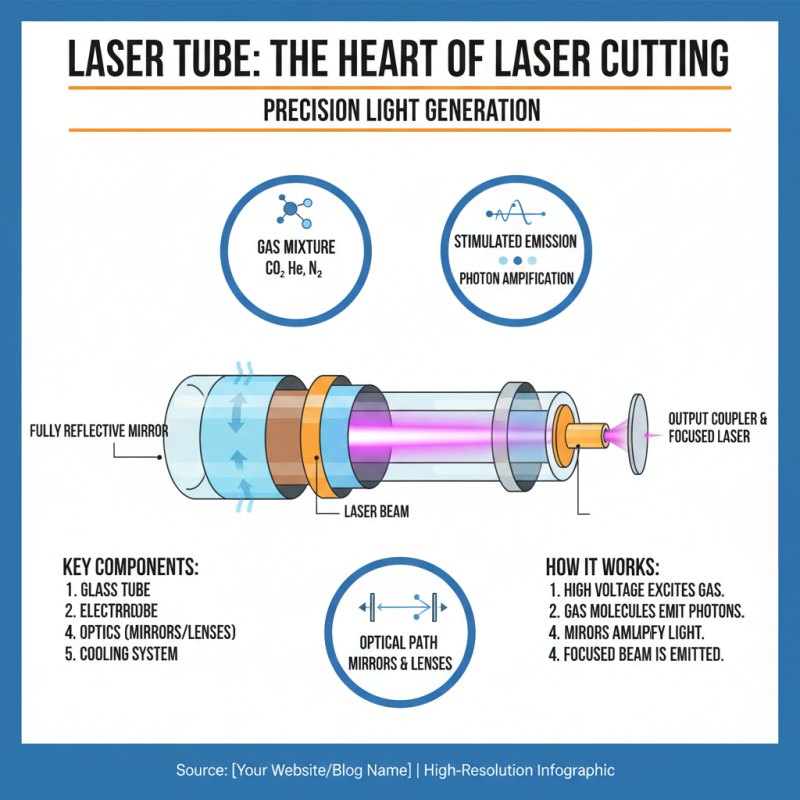
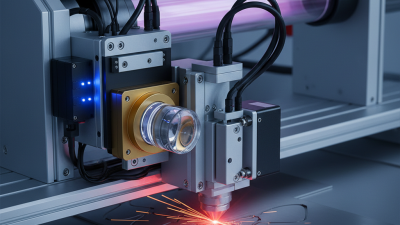
A laser tube is a key component in laser cutting and engraving machines. It generates a focused beam of light through a process called stimulated emission. Inside the tube, various gasses or other media are used to produce the laser light. Typically, these include carbon dioxide, helium, or nitrogen. The inner workings can be intricate, involving mirrors and lenses to direct the laser.
The laser tube operates by exciting the gas molecules. When these molecules are excited, they release photons, which are particles of light. This light bounces between mirrors at either end of the tube. Over time, it amplifies in intensity. Eventually, a portion escapes through a partially reflective mirror, creating a coherent beam.
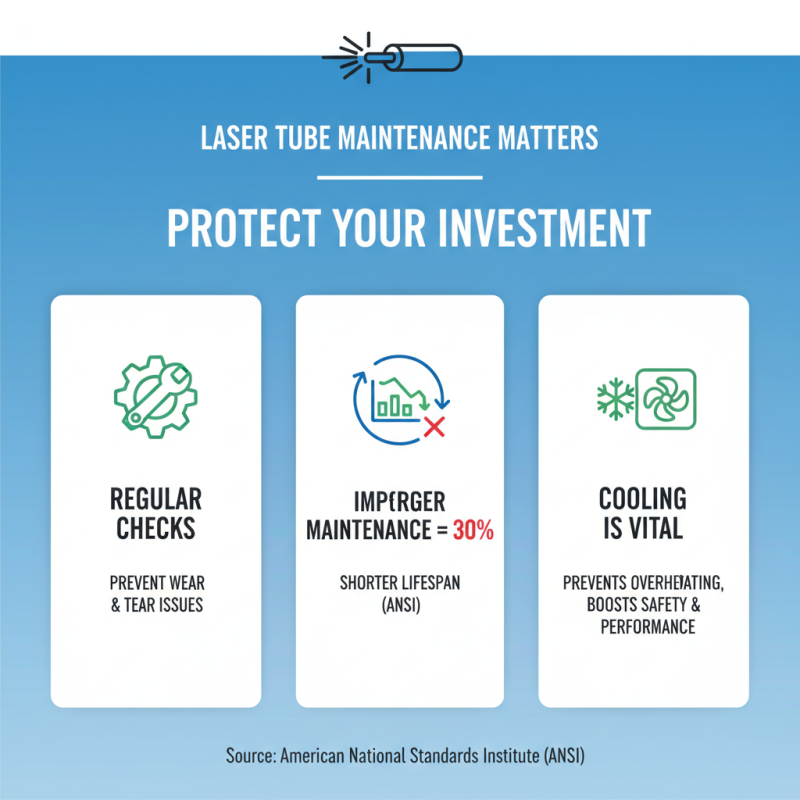
While the concept is straightforward, manufacturing these tubes involves complex technology. Small variations in gas mixture or pressure can impact performance. Users often find it challenging to achieve optimal settings for different materials. Regular maintenance is also crucial, as wear and tear can affect output quality. Balancing precision and efficiency can be quite demanding.
Components of a Laser Tube
A laser tube is an essential component in laser machinery. It generates the laser beam needed for various applications. Understanding its components helps demystify how it works.
The main components include the cathode and anode. The cathode emits electrons when heated. These electrons are accelerated towards the anode. This process creates a flow of electricity. The gas inside the tube, usually a mix of carbon dioxide or other gases, ionizes and produces light. This light is amplified to produce a laser beam. The quality of the gas mixture can affect performance.
Tips: Always check the purity of the gases used. Impurities can cause inefficiencies. A good quality cathode will last longer and require less maintenance. Watch for signs of wear in the components.
Optical mirrors also play a crucial role. They reflect and amplify the light. The alignment is critical. If they are misaligned, the beam quality deteriorates. Regular maintenance checks can prevent this issue.
Tips: Use precise tools for alignment. Minor adjustments can make a significant difference. Keep the lens clean and free of dust to maintain clarity in the beam.
The Working Principle of a Laser Tube
A laser tube is a key component in laser technology. It generates a focused beam of light through a process called stimulated emission. Inside the tube, gas or liquid serves as the medium. When energy is applied, atoms gain energy and emit photons, which bounce back and forth. This amplification creates a powerful, coherent beam of light. Common mediums include carbon dioxide and neodymium glass.
The working principle relies on the excitation of molecules. As they collide, they release energy in the form of light. The quality of the light produced is highly dependent on the design of the laser tube. Any imperfections in the tube can lead to a less effective beam. Ensuring a good environment, like maintaining optimal temperature and energy levels, can greatly impact performance.
Tips: Regular maintenance of the laser tube is crucial. Check for signs of wear and replace components when necessary. Clean the lens frequently to avoid beam distortion. A clean lens ensures maximum efficiency. Always use protective gear while working with lasers to avoid accidents. Understanding the limitations of your laser tube can help you maximize its potential.
Types of Laser Tubes and Their Applications
Laser tubes come in various types, each suited for specific tasks. The most common types include CO2 lasers, fiber lasers, and solid-state lasers. CO2 lasers are ideal for cutting and engraving non-metal materials like wood and acrylic. They're often used in signage and woodworking. Fiber lasers, on the other hand, excel in metal cutting and welding. Their precision makes them popular in industrial applications. Solid-state lasers have a wide range of uses, including medical procedures and research.
When selecting a laser tube, consider your project needs. The type of material you work with plays a crucial role. For wood or plastics, CO2 is often the best choice. For metals, fiber lasers shine. Think about the power level required too. Higher wattage means faster processing but can lead to more wear on the machine. You may need to balance speed and longevity.
Tips: Always test materials before final projects. Make sample cuts to see how well your laser operates. Adjust settings as needed for the best results. Keep your equipment clean and well-maintained. Issues can arise from neglected machines. Pay attention to cooling systems; they should work efficiently. Overheating leads to poor performance and costly repairs.