Inquiry
Form loading...

How to Choose a CNC Tube Laser Cutting Machine?

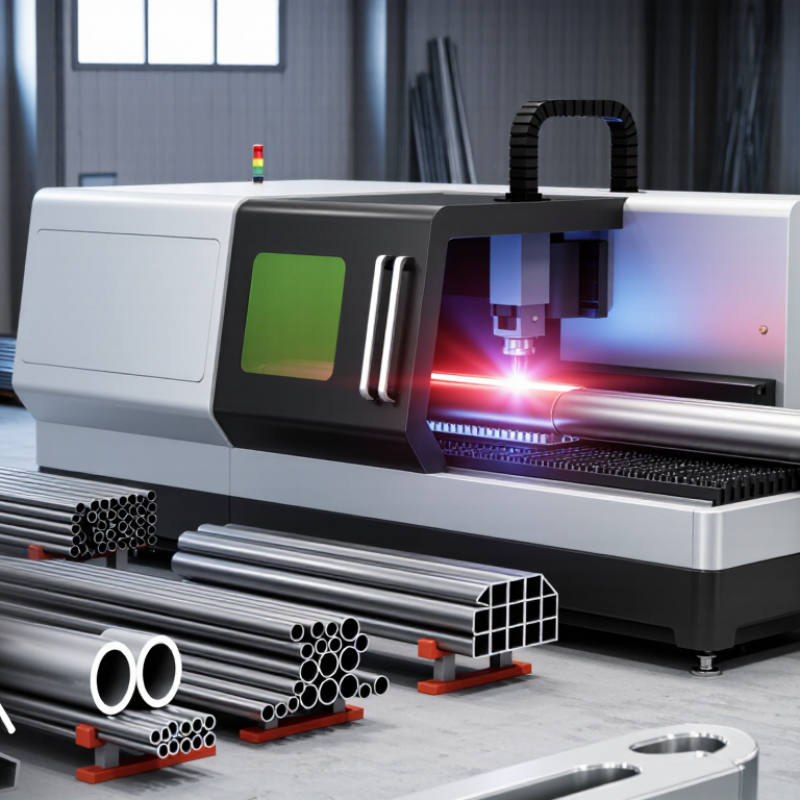
Choosing a CNC Tube Laser is not simply a search for higher wattage or faster cutting speed. The right machine must match your materials, tube dimensions, production volume, and workshop limits. A small fabrication shop may need flexible loading, simple software, and dependable service more than extreme power. A high-volume manufacturer may prioritize automation, nesting efficiency, and stable cycle times.

Michael Bell, a CNC manufacturing consultant and laser-cutting educator, offers a useful reminder: “The best machine is the one that makes your process repeatable, not merely impressive.” This principle matters when comparing a Cnc Tube Laser for steel frames, furniture parts, automotive components, or structural profiles. Ask practical questions. Can it cut round, square, and rectangular tubes accurately? Does the chuck hold thin-wall material without distortion? Can the software recognize holes, slots, miters, and irregular profiles?

Experience often exposes details that brochures overlook. A machine may claim impressive speed, yet poor fume extraction can stain lenses and interrupt production. A powerful source may cut thick steel, but it might waste energy on your typical workload. Service response also matters. One failed sensor can stop a complete line.

Do not ignore the uncomfortable questions. Is your operator trained? Is the floor strong enough? Can suppliers prove accuracy with your actual tubes? Comparing test cuts, maintenance records, and total operating costs creates a more reliable decision than trusting specifications alone.
How to Choose a CNC Tube Laser Cutting Machine?

Define Your Tube Laser Cutting Requirements

How to Choose a CNC Tube Laser Cutting Machine?

Define Your Tube Laser Cutting Requirements

Begin with the tubes you actually process. Record material grades, outer diameters, wall thicknesses, lengths, and common profiles. Include square, rectangular, round, and irregular sections. A machine designed for 6-meter tubes may waste floor space if your parts rarely exceed 3 meters. Measure your smallest and largest jobs.

Cutting speed should not dominate the decision. Track piercing time, loading, unloading, repositioning, and scrap. Deloitte’s 2024 Smart Manufacturing and Operations Survey found that 86% of manufacturers consider smart manufacturing essential for competitiveness. That supports investing in automation, but only when it matches daily production. A fast laser with poor material handling can remain slow in practice.

Check tolerance, edge quality, and repeatability against your drawings. Ask for sample cuts using your actual steel grade and thickness. Thin-wall tubes may deform during clamping. Reflective materials may require different process controls. Compressed air also deserves attention. The U.S. Department of Energy reports that leaks can waste 20–30% of compressed-air capacity in poorly maintained systems. Specify gas purity, pressure stability, and expected consumption before purchase. Higher power is not automatically better. I would question any quotation based only on wattage, especially when software, extraction, maintenance access, and operator training are unclear. Your requirement list may change after testing; that is normal.
Compare Machine Types, Tube Sizes, and Cutting Capabilities

How to Choose a CNC Tube Laser Cutting Machine?

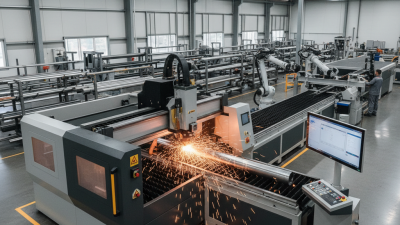
Machine type should follow the tube work, not the brochure. A rotary attachment on a sheet laser suits occasional round tubes and modest batches. A dedicated tube laser handles round, square, rectangular, oval, and channel profiles more consistently. Three-dimensional cutting heads add flexibility for angled ends and formed sections. They also increase programming and maintenance demands. That assumption is often wrong.

Measure actual tube sizes, including diagonal clearance. A machine rated for 20–220 mm may struggle with long, thin profiles if support spacing is poor. Check maximum length, bundle loading, chuck range, and minimum remnant length. Wall thickness matters too. Ask for cutting samples using your steel grade, diameter, and shortest hole spacing. A clean showroom sample proves little.

Cutting capability should match production risk. Fiber systems generally cut carbon steel, stainless steel, and aluminum efficiently, but power alone does not determine quality. Examine piercing time, kerf consistency, heat distortion, bevel control, and automatic nesting.

IFR recorded 541,302 industrial robot installations worldwide in 2023.

That figure signals rapid automation in material handling.

Grand View Research valued the laser-cutting machine market at USD 6.83 billion in 2023.

It forecasts 6.5% annual growth through 2030.

Yet automation can magnify bad setup data. Software compatibility and operator training deserve equal attention. I would calculate cycle time using real loading delays, not catalog speed.

Evaluate Laser Power, Precision, Speed, and Automation

How to Choose a CNC Tube Laser Cutting Machine?

Evaluate Laser Power, Precision, Speed, and Automation

Choosing a CNC tube laser cutting machine starts with the material you actually process. Laser power should match tube thickness, metal type, and production volume. Excessive power can enlarge the heat-affected zone and damage thin walls. Insufficient power creates rough edges and repeated passes.

Request sample cuts using your own tubes, not only showroom material. Check the cut edge, piercing time, and dross under real conditions.

Precision depends on more than the advertised positioning figure. Examine chuck stability, axis calibration, beam alignment, and software compensation. A small error can become obvious on a long tube.

Measure hole diameter, slot position, and end-to-end repeatability with inspection tools. Keep records. This makes supplier claims easier to verify.

I would not trust one perfect sample alone.

Speed matters when loading, piercing, cutting, and unloading are considered together. A fast axis may still produce slow output.

Automation can reduce handling work through automatic loading, remnant detection, nesting, and barcode-based job selection. It also reduces awkward lifting near the cutting area.

However, complex automation needs training, maintenance, and reliable sensors. Sometimes, a simpler system performs better in a smaller workshop.

Review daily production data before choosing the highest specification. Mistakes happen when buyers compare maximum speed instead of finished parts per hour.

Check Software, Safety Features, Maintenance, and Support

Choosing a CNC tube laser cutting machine starts with software, not cutting speed. The control system should import common CAD files and manage tube profiles, nesting, piercing, and scrap reduction. Ask for a live demonstration using your own drawings. Screenshots can hide awkward workflows. I once saw an operator waste several tubes because the nesting settings were unclear. Simple menus matter on a busy production floor.

Safety features deserve close inspection. Look for enclosed cutting areas, door interlocks, emergency stops, beam protection, fume extraction, and clear warning indicators. The machine should record faults and prevent operation when a guard is open. Confirm that the supplier provides safety documentation and training suited to your workplace. Do not accept vague promises. Test the emergency response during a supervised demonstration, if permitted.

Maintenance affects accuracy over time. Check access to lenses, chucks, rails, filters, and cooling components. Ask how often each part needs inspection, and whether replacement procedures are documented. Maintenance logs should include dates, measurements, and technician notes. Support is equally practical. Confirm response times, remote diagnostics, spare-part availability, and operator training after installation. Some support teams sound impressive before delivery, but their real value appears after the first fault. Leave room for doubt, and verify every claim in writing.

Calculate Total Cost and Select the Best-Fit Machine

How to Choose a CNC Tube Laser Cutting Machine?

Calculate Total Cost and Select the Best-Fit Machine

A low purchase price can hide expensive operating costs. Calculate the total cost over five years, not only the equipment invoice. Include installation, transport, electricity, assist gas, lenses, nozzles, software, training, and planned maintenance. Add the cost of production delays when the machine stops. One missed delivery can cost more than several replacement parts.

Match the machine to your real tube workload. Record common diameters, wall thicknesses, materials, lengths, and daily production hours. A machine rated for large tubes may waste space and energy on small batches. A compact system may struggle with thick stainless steel or long structural profiles. Check the chuck range, cutting head clearance, loading method, extraction capacity, and automatic feeding accuracy. Request a sample test using your own tube, not a supplier’s ideal material.

Look beyond speed claims. Ask for measured cycle times, cut quality records, maintenance intervals, and operator training details. Speak with users who process similar materials and volumes. Their experience often reveals hidden cleaning work or difficult software settings. I have seen buyers overestimate future demand and purchase unused automation. That mistake is costly. A smaller machine can be the better fit when changeovers are frequent and floor space is limited. Still, leaving no capacity for realistic growth may force another purchase too soon. Calculate both scenarios with actual labor hours and local utility rates. Keep the assumptions visible. That makes the final decision easier to challenge.