Why Choose a High Voltage Co2 Power Supply for Your Needs?
When it comes to choosing a power supply, the High Voltage Co2 Power Supply stands out. This choice is crucial for various applications, from industrial processes to advanced research. The unique features of this power supply make it an excellent option. Its ability to deliver high voltage with precision enhances efficiency.
In industries like welding or laser cutting, the High Voltage Co2 Power Supply can significantly improve results. Increased power output allows for faster processing times and better quality. However, not all setups require such high voltage. It's essential to assess your specific needs before making a decision.
Some users might overlook the importance of compatibility with existing equipment. Choosing the wrong power supply can lead to inefficiencies. Careful consideration ensures that you make an informed choice. This power supply is robust and designed to meet demanding standards. Despite its advantages, potential drawbacks exist. Understanding them can help refine your choice for optimal performance.
Understanding High Voltage CO2 Power Supplies
High voltage CO2 power supplies play a critical role in various applications, particularly in laser technology and industrial processes. These power supplies deliver precise energy needed for effective operation, ensuring reliability in demanding environments. Their design often incorporates advanced components that enhance performance, yet this complexity can also lead to challenges. Users must navigate the intricacies of selecting the right specifications for their specific needs.
Understanding the dynamics of high voltage CO2 power supplies is essential. These units convert standard voltage to high levels, generating CO2 laser beams that are instrumental in cutting and engraving materials. Users should consider factors like voltage stability and current regulation. However, the level of expertise required to install and operate such systems may intimidate some. It often requires a solid grasp of electrical principles, which not everyone possesses.
Moreover, the safety aspect cannot be overlooked. High voltage systems can pose risks if not handled correctly. Users should receive proper training before operating them. Implementing regular maintenance can prevent malfunctions. Reflecting on these points highlights the balance between power and safety. Choosing a high voltage CO2 power supply involves more than just technical specs; it requires an understanding of the associated risks and responsibilities.
Key Advantages of High Voltage CO2 Power Supplies
High voltage CO2 power supplies offer several key advantages that make them an ideal choice for diverse applications. One significant benefit is their ability to provide stable and reliable power. This stability is crucial for industries that require precise energy control, such as laser cutting and welding. Moreover, a high voltage supply can improve the efficiency of these processes, ensuring high-quality results consistently.
Another advantage is their compact design. High voltage CO2 power supplies are often more efficient and take up less space compared to traditional power solutions. This is important in environments where space is at a premium. However, it's essential to consider potential safety concerns due to the high voltage levels. Proper training and understanding of these systems are vital to minimize risks.
Reliability also plays a key role in the choice of a high voltage CO2 power supply. These systems are designed to withstand various operating conditions. They can endure fluctuations in input power without compromising performance. Despite their robustness, regular maintenance and monitoring are necessary to ensure longevity and proper function. Users should always be aware of possible pitfalls and work to mitigate them.
Advantages of High Voltage CO2 Power Supplies
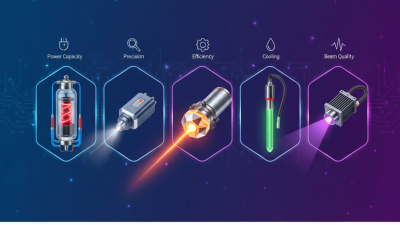
The chart above illustrates the key advantages of using high voltage CO2 power supplies. The data highlights their efficiency, cost-effectiveness, compact size, versatility, and safety features, showcasing why they are a preferred choice in various applications.
Applications of High Voltage CO2 Power Supplies in Industry
High voltage CO2 power supplies play a crucial role in various industrial applications. They are essential in sectors like laser cutting, welding, and even semiconductor manufacturing. The high voltage aspect ensures efficient energy transfer, leading to precise and powerful operations. In laser cutting, for example, the right power supply can determine the quality of the cut and the efficiency of the process.
Tips: Always consider the power requirements of your application. Underestimating your needs can lead to performance issues. Evaluate voltage ratings carefully. A mismatch can cause equipment damage or inefficient operation.
In welding, high voltage CO2 power supplies contribute to deeper penetration and improved weld quality. Accurate voltage control can make a noticeable difference in the finished product. However, relying too heavily on specifications above real-world testing can be misleading.
Tips: Regular maintenance is crucial for optimal performance. Dust and wear can impact efficiency significantly. Ensure that backup power solutions are in place for critical applications. It's wise to plan for unexpected downtimes.
Factors to Consider When Choosing a High Voltage CO2 Power Supply
When selecting a high voltage CO2 power supply, several critical factors must be considered. First and foremost, voltage and current ratings are crucial. Many applications require supplies capable of delivering high voltages, often exceeding 5 kV. An inadequate power supply can result in poor performance and inefficiencies. According to industry reports, a mismatch between the power supply voltage and the device specifications can lead to a 20% drop in efficiency. This inefficiency can subsequently increase operational costs.
Safety features are also paramount. High voltage operations come with inherent risks. Robust safety mechanisms are essential to prevent accidents. Look for models that include over-voltage protection and current limiting. For instance, reported incidents show that safety lapses in high voltage applications have led to fires and equipment damage. Furthermore, consider the supply’s cooling system. High voltage components generate substantial heat, which can compromise performance if not managed properly. A power supply with an inefficient cooling mechanism is less reliable and could lead to prolonged downtimes.
Another point of contemplation is the power supply's footprint. Many engineers prefer compact designs, especially in space-constrained setups. However, compact models may come with limitations in heat dissipation and component accessibility. This trade-off is often overlooked but warrants attention. Make sure to analyze the long-term implications of your choice. A bigger initial footprint might save you trouble down the line.
Why Choose a High Voltage Co2 Power Supply for Your Needs? - Factors to Consider When Choosing a High Voltage CO2 Power Supply
| Feature |
Importance |
Consideration |
Example Values |
| Output Voltage |
Critical for applications |
Select based on specific applications |
High Voltage (e.g., 10kV, 15kV) |
| Power Rating |
Determines performance |
Consider demand and application frequency |
100W - 500W |
| Cooling Method |
Affects efficiency |
Select air or liquid cooling based on environment |
Air-cooled, Liquid-cooled |
| Size and Portability |
Relevant for specific setups |
Consider installation space and transport needs |
Compact, Rack-mounted |
| Safety Features |
Essential for operator safety |
Look for fuses, shut-off switches |
Over-voltage protection, Emergency stop |
Maintenance and Safety Considerations for High Voltage CO2 Power Supplies
When working with high voltage CO2 power supplies, safety and maintenance are paramount. Regular inspections are essential. Check for any signs of wear or damage. High voltage systems can pose risks if not monitored properly. Improper handling might lead to serious incidents.
Proper grounding is critical. It prevents electrical shock and helps to ensure equipment functionality. Ensure all connections are secure and free from corrosion. Using appropriate personal protective equipment (PPE) is a must. Gloves and safety glasses are basic requirements.
Maintenance schedules should be strictly followed. Cleaning components can prevent breakdowns. Dust and moisture can lead to failures. Experienced technicians should perform routine checks. Training is crucial for anyone handling high voltage equipment. Understanding the risks helps mitigate potential hazards. Always prioritize a culture of safety in your workplace.