Inquiry
Form loading...

What Is the Best Tube Laser Cutting Machine in China?

Choosing the best Tube Laser cutting machine in China is not a simple brand contest. The right choice depends on your tube sizes, materials, production volume, and budget. A machine built for light stainless-steel furniture may struggle with thick-wall structural profiles. A high-capacity system, meanwhile, can be unnecessary for a small workshop.

Look beyond the headline power rating. Check the usable tube diameter, maximum weight, chuck design, loading method, and cutting accuracy. Ask suppliers to cut samples using your actual material and wall thickness. Watch how the machine handles a square tube corner, a short offcut, and a change between profiles. Small details matter. So does the software. A clear nesting workflow can reduce scrap, while practical controls can help operators catch setup errors before production begins.

This guide compares the features that shape real-world performance, including automation, maintenance access, safety systems, and after-sales support. It also explains which questions to ask before requesting a quotation. Published specifications are useful, but they do not prove that a machine will suit your factory. Request test results, confirm service arrangements, and inspect a demonstration where possible. That takes time. It is still worth doing. There is no universal winner, and any ranking should be treated as a starting point, not a final verdict. The best choice is the machine that consistently produces clean cuts, fits your workload, and can be supported over its working life. Even then, the comparison may feel imperfect; suppliers do not always measure performance in the same way.
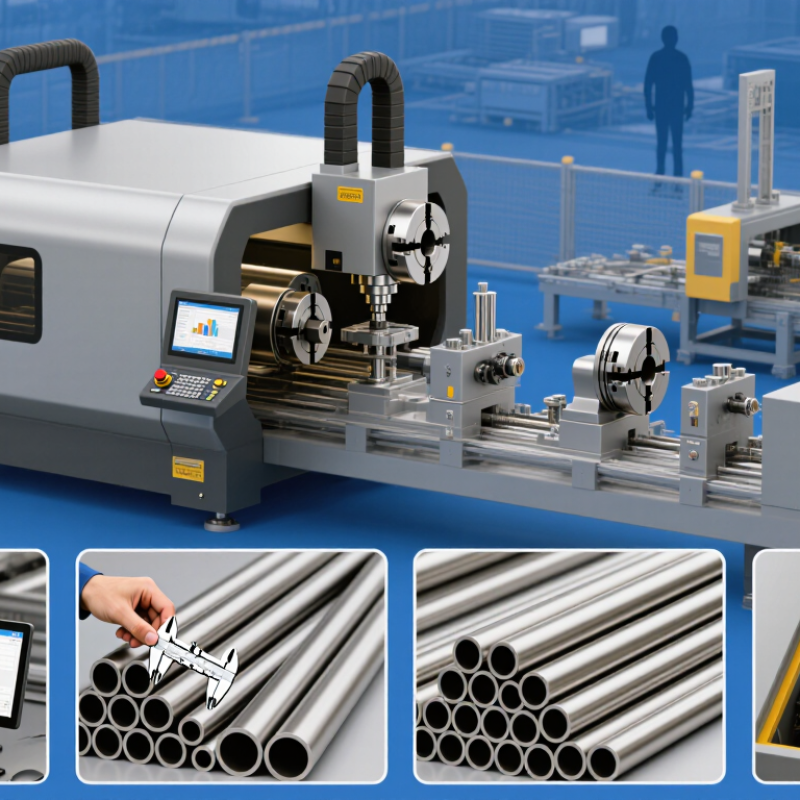
What Is the Best Tube Laser Cutting Machine in China?

What a Tube Laser Cutting Machine Does

What Is the Best Tube Laser Cutting Machine in China?

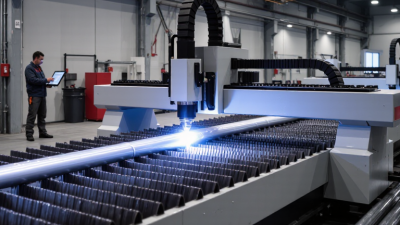
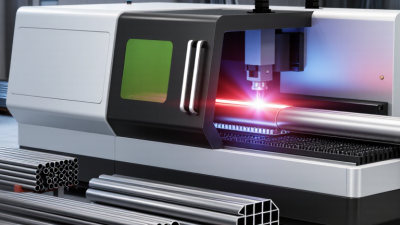
A tube laser cutting machine cuts hollow metal sections with a focused laser beam. Its chuck grips and rotates the tube while the cutting head moves along its length. Together, these movements let the machine create holes, slots, notches, and angled ends without changing tools for every feature. Assist gas clears molten material from the cut. The result can be a clean edge, though settings and material condition matter. That is the point.

The World Steel Association’s World Steel in Figures 2024 reports 1,892.2 million tonnes of crude steel production worldwide in 2023. This is not a figure for tube production, but it shows the scale of steel processing behind many industrial components. A tube laser turns stock into parts for frames, railings, machinery, and vehicle structures. Operators still need to check wall thickness, tube straightness, focus, and gas pressure. A small setup error can leave a rough edge or misplaced hole. I have seen the “automatic” part get too much credit; the machine cannot correct a poor drawing or badly supported tube. Bevel cutting also depends on the machine’s configuration, so it should not be assumed as standard.
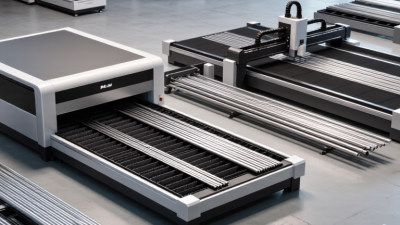
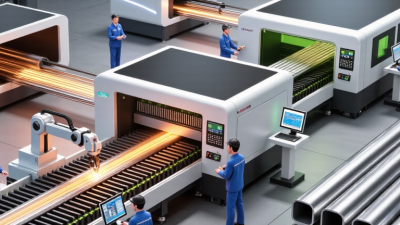
How Tube Laser Cutting Machines Work

A tube laser cutting machine turns a digital drawing into a sequence of controlled cuts. The operator loads a round, square, or rectangular tube into the feeder and enters its dimensions and material settings. A chuck grips the tube and rotates it while the cutting head moves along the machine’s axes. Together, these movements position the beam around the tube’s surface. Precise alignment matters. Even a small shift can affect a slot or hole near the tube’s edge.

The laser focuses energy into a narrow spot, melting or vaporizing material along the programmed path. Assist gas clears molten metal from the cut; the right choice depends on the material and finish required. Sensors and CNC controls help maintain focus and coordinate movement, but they cannot fix a poorly prepared drawing. According to the International Federation of Robotics’ World Robotics 2024 report, 541,302 industrial robots were installed worldwide in 2023. That figure reflects wider factory automation, not tube lasers alone. In practice, production speed still depends on tube straightness, setup, and operator checks. Real conditions vary. A useful test cut can reveal burrs or misalignment before a full batch runs.

Criteria for Evaluating Machines Made in China

What Is the Best Tube Laser Cutting Machine in China?
Criteria for Evaluating Machines Made in China

The best machine depends on the tubes you actually process. Check its supported diameter, length, wall thickness, and material range against your production needs. Ask for a cutting test using your own tube profile, not only a polished sample. Inspect the cut edges for burrs, heat marks, and accuracy around corners. Fit matters. A machine that handles your common sizes reliably may be more useful than one with impressive maximum specifications.

Evaluate the chuck system, loading support, and software together. A tube that shifts during rotation can spoil a precise cut. Request repeat cuts and compare dimensions across several parts. Review the electrical cabinet, guarding, extraction setup, and maintenance access in person or through detailed inspection records. Also confirm training, spare-part availability, response times, and clear operating documentation. These details vary between factories, so avoid assuming that a low price means poor quality—or that a smooth demonstration guarantees dependable production.

Tips: Bring real drawings and tube samples to the supplier. Ask operators to show a full setup and changeover, not just cutting. Get service commitments in writing, then check whether they match your schedule. One detail can be overlooked: even a capable machine may need adjustments for your materials. That is worth planning for.

What Is the Best Tube Laser Cutting Machine in China? — Criteria for Evaluating Machines Made in China

Laser source is one useful technical criterion. This chart compares the nominal wavelengths commonly associated with fiber and CO₂ lasers; it is not a machine ranking.

How to use this: Wavelength alone does not determine cutting performance. When evaluating a tube laser machine, also compare its supported materials and wall thickness, tube diameter and length capacity, cutting accuracy, loading automation, safety features, and after-sales service. Confirm all specifications with a cutting test on your own material.

Values shown are common nominal laser wavelengths, not specifications for any particular machine.

Key Specifications, Automation, and Cutting Capabilities

A strong tube laser cutting machine is not defined by laser power alone. Match the source rating to the materials, wall thicknesses, and daily workload you actually handle. Stainless steel, carbon steel, and aluminum can behave differently at the same thickness. Ask for sample cuts using your own tube dimensions. Clean edges matter.

Check the working range, chuck design, and positioning accuracy. A machine should support the tube diameters and lengths your shop uses, without awkward manual repositioning. For repeat jobs, automatic loading and unloading can reduce handling time and keep operators away from moving stock. But automation needs floor space and careful setup. Fit matters more.

Cutting capability also depends on the head, assist-gas controls, software, and extraction system. Look for stable cutting on round, square, and rectangular profiles, plus reliable corner transitions. Confirm the stated tolerance on a real part, not only in a brochure. Ask how the machine handles short offcuts and leftover material; these details affect waste. A fast cutting speed may sound impressive, yet frequent setup changes can erase the gain. I would compare cycle time across representative parts and check service response before deciding. No single specification tells the whole story.

What Is the Best Tube Laser Cutting Machine in China? - Key Specifications, Automation, and Cutting Capabilities

Specification Compact / Entry Configuration General Production Configuration High-Throughput Configuration
Typical laser power 1–3 kW fiber laser 3–6 kW fiber laser 6–12 kW fiber laser
Typical tube range Round tubes: approximately 20–120 mm diameter; square tubes: approximately 20–100 mm across flats Round tubes: approximately 20–230 mm diameter; square tubes: approximately 20–180 mm across flats Round tubes: approximately 20–350 mm diameter; square tubes: approximately 20–260 mm across flats
Common profiles Round, square, rectangular, and selected open profiles, subject to chuck and software support Round, square, rectangular, oval, and selected channel or angle profiles Round, square, rectangular, and selected structural profiles; profile limits depend on the machine design
Indicative mild-steel cutting range Approximately 1–8 mm wall thickness Approximately 1–16 mm wall thickness Approximately 1–25 mm wall thickness
Other materials Stainless steel and aluminum are commonly processed; practical thickness depends on power, gas, and cut quality requirements Stainless steel and aluminum are commonly processed; copper and brass require compatible machine configuration and process settings Can support thicker sections and a broader production range, but material limits must be confirmed with sample cuts
Typical tube length About 6 m standard; shorter stock may be supported About 6 m standard, with options for longer stock handling About 6 m standard; longer loading systems may be available as an option
Chuck and axis setup Typically two chucks; rotary tube motion with a moving cutting head or chuck arrangement Typically two or three chucks, depending on required support and remnant handling Often three or four chucks for improved support, reduced remnant, or high-volume processing
Loading automation Manual loading or basic bundle loading Automatic bundle loader commonly available; loading method depends on tube size and weight Automatic bundle loading and integrated material handling are commonly considered for continuous production
Unloading and sorting Manual unloading or a basic collection area Support table or powered unloading options; part separation depends on cut geometry Extended unloading, sorting, or conveyor options may be integrated for production lines
Accuracy considerations Machine positioning and repeatability are commonly specified separately and can be around ±0.03–0.05 mm, depending on model and test method. Finished-part accuracy also depends on tube straightness, clamping, calibration, heat input, and cut geometry.
Control and software Look for tube nesting, profile libraries, collision checks, remnant management, and support for common CAD/CAM workflows. Confirm compatible file formats and post-processors before purchase.
Best suited to Small batches, lighter tubes, workshops, and lower initial investment Mixed production, regular batch work, and a balance of capacity and automation High-volume work, larger profiles, thicker sections, and reduced manual material handling

Selection note: The figures are indicative configuration ranges, not guaranteed specifications for every machine. Maximum cutting thickness varies with material grade, tube shape, wall thickness, assist gas, cut quality requirements, and process settings. Before purchasing, confirm the exact tube envelope, loading limits, accuracy test method, and sample-cut results for your parts.

How to Match a Machine to Materials and Production Needs

The best tube laser cutting machine in China depends on what your shop actually cuts. Start with tube shape, material grade, diameter range, wall thickness, and maximum length. A line handling thin stainless-steel furniture tubes may need different chucking and loading options from one cutting thick carbon-steel frames. Laser power matters, but it cannot compensate for poor support, unstable feeding, or a mismatch between the chuck and your smallest tube.

Check the complete workflow. Compare loading time, cut speed on your common profiles, changeover time, kerf quality, and part accuracy. Ask for sample cuts using your own material and drawings. Inspect burrs, heat marks, hole positions, and repeatability—not just the cleanest demonstration piece. Small details matter. A neat spreadsheet can still mislead if it ignores unloading delays or frequent short runs.

Grand View Research’s 2024 laser cutting machine market report estimated the global market at about

US$5.1 billion in 2023 and projected 6.2% annual growth through 2030.

That signals broader investment, not a guarantee that any machine will suit your factory. Treat forecasts as market context. One point is easy to miss: a machine optimized for long production runs may be a poor fit for a shop with many tube sizes and daily changeovers. Compare the proposed configuration against a real shift’s output, staffing, and maintenance needs.